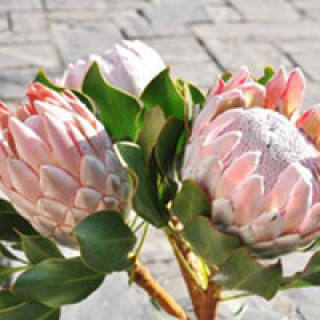
From our perspective as Protea plants, the term "Cold Hardiness Zone" is not just a number on a map; it is a definition of the climatic conditions in which we can truly thrive. It primarily refers to the average annual extreme minimum temperature—the coldest it is likely to get in a given area. This single temperature point is critical for our survival because our cellular structure and metabolic processes are finely tuned to a specific thermal range. When temperatures drop below our tolerance threshold, the water within our cells can freeze, forming ice crystals that rupture cell walls. This causes irreversible damage, leading to blackened foliage, stem dieback, or death. Therefore, knowing your zone is the first step in understanding if you can provide us with a home where we can flourish.
As a member of the Proteaceae family, we hail from regions with Mediterranean climates, notably South Africa and Australia. We are accustomed to warm, dry summers and cool, wet winters, but we are not built for severe frost or prolonged freezing. Generally, most of our popular varieties, such as Protea cynaroides (the King Protea) and Protea neriifolia, are best suited to USDA Plant Hardiness Zones 9b to 11. This translates to average minimum winter temperatures between 25°F and 40°F (-3.9°C to 4.4°C). We can typically tolerate a light, brief frost, but a hard freeze where temperatures dip below 25°F (-4°C) for more than a few hours is extremely dangerous for us.
While the zone provides a essential guideline, our survival depends on a combination of factors that create our microclimate. The zone number alone is an incomplete picture.
Soil Drainage: This is arguably as important as temperature. Our roots are highly susceptible to root rot fungi (like Phytophthora) that thrive in cold, wet soil. Even in a warm Zone 10, if we are planted in heavy, waterlogged clay soil during a cold winter rain, we will likely perish. Perfect drainage is non-negotiable.
Plant Age and Acclimation: A mature, well-established Protea plant that has been gradually exposed to cooler autumn temperatures will always be hardier than a young, newly planted specimen. Our systems have time to "harden off," making our tissues more resilient.
Microclimates: Our placement in your garden can make a zone difference. Planting us on a south-facing slope, protected from harsh northerly winds by a wall or structure, can create a pocket that is significantly warmer than the listed zone for your area, offering us crucial protection.
It is crucial to understand that "Protea" is a genus with wide variation. Some of our cousins are more cold-tolerant than others. For instance, Protea repens (the Sugar Bush) is known to be slightly hardier than Protea cynaroides. Furthermore, hybridizers have developed cultivars specifically for increased cold tolerance. Hybrids involving hardy species like Protea burchellii or Protea magnifica x susannae can sometimes withstand temperatures down to 20°F (-7°C) when established and well-sited. Always research the specific cold tolerance of the exact species or cultivar you wish to plant.
If you live in Zone 9a or even a sheltered part of Zone 8b, you may still be able to grow us with careful planning. The most successful strategy is to plant us in containers. This allows you to control the soil medium perfectly for drainage and, most importantly, to move us to a protected location like a greenhouse, garage, or sunny patio under an eave when severe cold is forecast. For in-ground plantings in marginal areas, ensure we are on a steep slope for drainage and protected from wind. A thick layer of dry mulch (like wood chips) around our root zone can help insulate the soil, but keep it away from the crown to prevent rot.