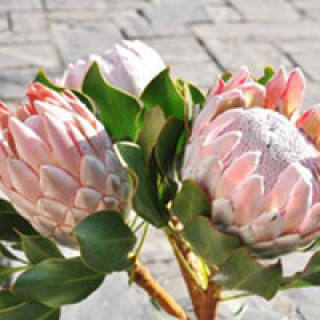
Understanding the light requirements for Protea plants is essential for their successful cultivation. As a genus native to unique ecosystems, primarily in South Africa and Australia, their needs are specific. The answer is not a simple one-size-fits-all, as it depends on the specific species, local climate, and microclimate conditions. From a plant's perspective, light is the primary energy source for photosynthesis, but it also influences water regulation, leaf temperature, and overall metabolic function.
For the vast majority of Protea species, full sun is the ideal condition. This means a minimum of six hours, and preferably more, of direct, unfiltered sunlight per day. From the plant's physiological standpoint, Proteas are adapted to open, sunny, and often mountainous habitats. Their leaves are typically tough, leathery, and sometimes hairy or grey in color—adaptations to reflect intense sunlight and reduce water loss through transpiration. In full sun, the plant can maximize its photosynthetic rate, producing the abundant sugars needed to support its spectacular, large flower heads and robust growth. Ample sunlight also promotes stronger stems, better air circulation around the foliage (reducing fungal disease risk), and the most prolific flowering. A Protea grown in insufficient light will often become leggy, with weak, elongated stems, and may fail to flower altogether.
The need for full sun is intrinsically linked to the Protea's root system. Proteas belong to the Proteaceae family, which have fine, surface-feeding roots called proteoid roots that are exceptionally efficient at nutrient uptake but are also highly susceptible to root rot fungi. These roots require a cool, well-aerated, and perfectly drained soil. Full sun helps achieve this by warming the top layer of the plant (the canopy) while the soil, especially if mulched, remains relatively cool. The sun's energy drives transpiration, pulling water up through the plant, which helps keep the root zone from becoming waterlogged. In partial shade, the soil stays cooler and wetter for longer periods, creating an environment where root-rot pathogens can thrive, which is often more detrimental to the plant than any potential sun scorch.
While full sun is the general rule, there are specific circumstances where partial shade—defined as dappled sunlight or direct sun for only part of the day—is advantageous or even necessary for the plant's health. This is primarily a function of mitigating heat stress. In regions with intensely hot summers, where temperatures consistently exceed 90°F (32°C), the combination of full sun and extreme heat can overwhelm the plant's cooling mechanisms. The plant may close its stomata to conserve water, thereby shutting down photosynthesis and potentially causing heat stress. In such climates, providing afternoon shade, particularly the hot western sun, can prevent leaf scorch and reduce water stress. Similarly, for young, newly planted Proteas, their root systems are not yet fully established and cannot transport water as efficiently. Providing light afternoon shade for their first summer can help them acclimate without undue stress.
It is crucial to consider the natural habitat of the specific Protea species. For example, Protea cynaroides (King Protea) is generally very sun-tolerant, while some species like Protea magnifica or certain Leucospermum (Pincushion Protea) varieties may originate from slightly more sheltered slopes and appreciate some protection from the hottest afternoon sun in inland areas. The local microclimate is equally important. A Protea planted on a south-facing slope (in the Northern Hemisphere) will experience less intense sun than one on a west-facing wall, which can act as a heat sink. Observing the plant is key; leaves that are bleached, brown, or crispy at the edges are often signs of too much sun and heat, while sparse growth and lack of flowers indicate too little light.