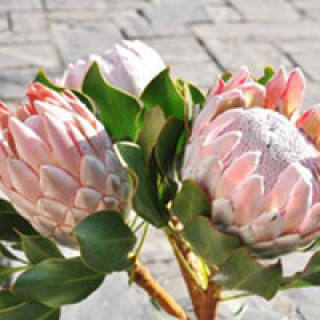
We, Proteas, are a proud and ancient family, hailing from the rugged, sun-drenched slopes of South Africa and Australia. Our roots are accustomed to a life of hardship, thriving in gritty, lean, and sharply draining soils. When confined to a pot, our very survival hinges on one critical factor: the swift departure of water from our root zone. To ignore this is to invite a swift and soggy demise. Here is what we need from you to feel at home.
First and foremost, our pot must have a drainage hole. This is non-negotiable. Without an escape route, water becomes a prison, pooling at the bottom and suffocating our roots. We cannot breathe underwater. A pot without a hole is a death sentence. Ensure the hole is clear and unobstructed; sometimes during potting, soil or debris can block it. A single, generous hole is far better than several tiny ones that can easily clog.
Ordinary potting soil is our enemy. It is too fine, too moisture-retentive, and often contains rich organic matter like peat moss that our roots find acidic and stifling. We demand a soil mix that mimics our native, mineral-rich homes. A perfect blend for us would be a very coarse, acidic mix. Think of a combination of two parts coarse river sand or perlite, one part bark chips (like orchid bark), and one part ericaceous (acidic) compost or a peat-free alternative like coco coir. This creates a loose, open structure with vast air pockets, allowing water to flow through rapidly while providing just enough anchorage and minimal nutrients.
While some debate its necessity, we appreciate an extra line of defense against waterlogging. Placing a layer of coarse material at the bottom of the pot, such as horticultural grit, small stones, or broken pottery shards, creates a reservoir for excess water to drain into, away from our delicate root tips. This layer acts as a buffer, ensuring that even if the soil above is slightly damp, our deepest roots remain in a well-aerated zone. It is a simple step that significantly lowers the risk of root rot.
Where you place our pot after watering is crucial. Never let us sit in a saucer full of water. Always empty the saucer within 15-30 minutes of watering. If possible, place the pot on small feet or bricks to elevate the drainage hole, promoting air circulation and preventing capillary action from drawing standing water back into the soil. Furthermore, the pot material itself can aid drainage. Porous terracotta or clay pots are ideal for us, as they allow water to evaporate through the walls, helping the soil dry out more evenly between waterings. Glazed ceramic or plastic pots retain moisture for much longer and require even greater care with watering.
Finally, even with perfect drainage, your watering habits must align with our needs. When you water, do so thoroughly until water runs freely from the drainage hole. This ensures the entire root ball is moistened. Then, leave us completely alone until the soil is almost entirely dry. Stick your finger deep into the soil; if it feels damp, do not water. We are drought-tolerant and prefer to be too dry rather than too wet. Overwatering is the most common cause of our failure in cultivation, and it is a direct result of poor drainage combined with excessive human attention.