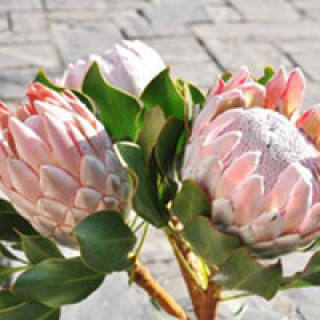
From our perspective as Protea plants, thriving is a delicate dance with water. We are not like your common garden plants; we are relics of ancient, rugged landscapes, built for survival in nutrient-poor, well-drained soils. Our roots are designed to seek moisture deep down, and they despise constant sogginess. When you love us a little too much with the watering can, you disrupt our very essence. Here are the signs we display when we are drowning in your kindness.
The first and most obvious cries for help come from our leaves. You might see our older, lower leaves turning a sickly, uniform yellow. This is not the vibrant yellow of autumn; it is a pale, watery yellow. It happens because the waterlogged soil suffocates our roots. Without oxygen, they cannot function, and they begin to rot and die. These damaged roots cannot take up essential nutrients or, ironically, even water. This causes a form of drought within us, leading to chlorosis (the yellowing) and a soft, limp wilting that looks strangely similar to when we are thirsty. The key difference is the soil: if our leaves are wilting and the soil feels wet and clumpy, you are overwatering us.
Beneath the soil, a silent catastrophe is unfolding. Our root system, the very core of our being, is under attack. Healthy Protea roots are firm and white or light brown. When consistently overwatered, they sit in stagnant, oxygen-deprived conditions. This environment invites destructive fungi, such as Phytophthora, which cause root rot. The roots turn dark brown or black, become mushy, and lose their structural integrity. Since roots are our mouth and our anchor, their decay means we can no longer absorb the water and minerals we need to sustain ourselves, and we become unstable in the ground. This underground damage is the primary cause of all the above-ground symptoms you see.
As the root rot progresses, the damage travels upward. The stems, particularly new, soft growth, may become soft, weak, and discolored. They might turn a darker shade, almost black in some cases, and feel squishy to the touch—a condition often referred to as stem rot. Our leaves will not just yellow and wilt; they will often develop soft, brown spots and may start to drop prematurely. The entire plant takes on a generally unthrifty, stunted appearance. New growth will be sparse or non-existent because we simply lack the energy and functional systems to support it.
For a Protea, our magnificent, architectural flowers are our pride and our purpose. Producing them requires immense energy and perfect health. When we are struggling to simply survive due to overwatering and root rot, flowering is one of the first luxuries we abandon. You will see no new flower buds forming, and existing buds may abort, turning brown and falling off before they ever open. If the overwatering is not corrected, the combination of suffocated roots, fungal disease, and systemic failure will inevitably lead to our complete collapse and death. It is a slow, preventable decline that starts with soil that never has a chance to dry out.
Finally, the environment you create with overwatering attracts pests that signal an unhealthy situation. The constantly damp surface of the soil becomes a perfect breeding ground for fungus gnats. These small, flying insects are not just a nuisance to you; their larvae feed on our already compromised roots, adding insult to injury. Furthermore, you might see a white, fuzzy mold growing on the soil surface. This mold is a clear indicator of excessive moisture and poor soil aeration, confirming that the conditions are fundamentally wrong for a Protea plant's well-being.