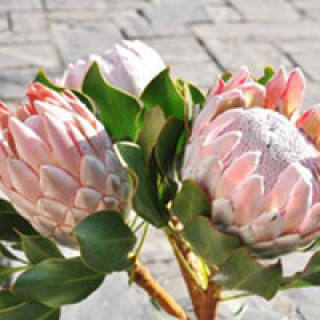
From our perspective, the most critical thing you must understand is our root system. We are not like thirsty plants with dense, fibrous roots. Our roots are fine, widespread, and supremely adapted to seek out moisture in well-drained, often poor, sandy or gravelly soils. The greatest danger to us in a container is not drought, but suffocation. When you water us too often, the soil becomes waterlogged, driving out the air our roots need to breathe. This creates a hostile environment where root rot fungi thrive, and they will quickly attack and destroy our delicate root hairs. Once this happens, we cannot take up water or nutrients, and we will die from the roots up, often while our leaves still look deceptively green. Therefore, the guiding principle is deep, infrequent watering that allows the soil to dry out significantly between drinks.
You cannot water us on a fixed schedule like "every Tuesday." The frequency depends on the weather, the season, and the size of our container. The most reliable way to know if we need water is to physically check the soil moisture. We ask you to push your finger about 2-3 inches (5-7 cm) into the potting mix. If the soil at that depth feels cool and even slightly moist, you must wait. We are not yet ready for more water. If, however, the soil feels completely dry at your fingertip, it is time for a thorough, deep watering. This method respects our natural cycle of wet and dry, mimicking the conditions we have evolved to love.
When the finger test confirms we are thirsty, please water us correctly. A quick sprinkle on the surface is worse than useless—it only wets the top inch and encourages our roots to grow shallowly, making us more vulnerable to heat. Instead, apply water slowly and deeply at the base of our stem, avoiding wetting our foliage, which can encourage fungal diseases. Continue watering until you see a steady trickle of water escaping from the drainage holes at the bottom of the container. This ensures that the entire root ball has been moistened. After watering, allow all excess water to drain away completely. Never let us sit in a saucer full of water; it is a death sentence for our roots.
Our thirst changes with the seasons, and you must adjust your care accordingly. During our active growing and flowering season (typically from late autumn through spring), we will use more water, especially if the weather is warm, sunny, or windy. The finger test might indicate a need for water every 7-10 days, but always let the soil condition be your guide. In the heat of summer, we may enter a period of slower growth. While we still need water, the intervals between watering will likely be longer because we are less active and evaporation is high. Conversely, during the cool, damp winter, our water needs diminish significantly. We may go weeks without needing a drink. Overwatering in winter is the most common cause of our demise.
Your choice of container and soil directly dictates how often you will need to water us. A porous terracotta pot allows moisture to evaporate through its walls, meaning the soil will dry out faster than in a plastic or glazed ceramic pot. More important than the pot material is excellent drainage. The container must have multiple, large drainage holes. The potting mix is even more critical. A standard potting soil will hold too much water and compact around our roots. We require a very sharp-draining, acidic mix, typically one designed for native plants, orchids, or succulents, often containing sand, bark chips, perlite, and gravel. In the right mix, water flows through instantly, hydrating our roots while leaving air pockets, creating the perfect environment for us to thrive.