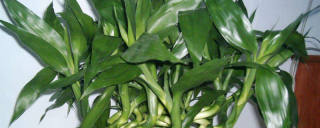
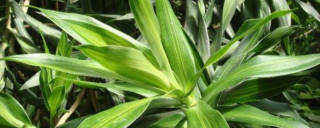
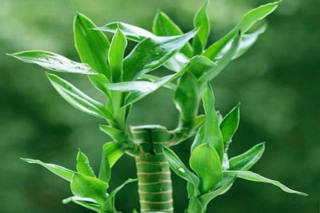
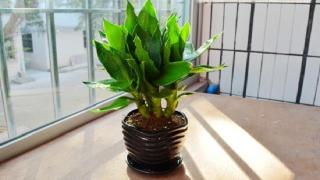
Many beginners believe that because I am a tropical plant, I need to be constantly saturated. This is a fatal misconception. My roots are not designed for a life submerged in water. When you fill my container to the brim, you are effectively suffocating me. My roots require oxygen to breathe, and stagnant water depletes the available oxygen, leading to root rot. You will notice this when my stalks turn yellow and feel soft. The correct way to hydrate me is to maintain a water level of just one to three inches, ensuring it covers the roots but leaves the majority of the stalk dry. It is also crucial to change my water completely every week to keep it fresh and prevent the growth of bacteria and fungi.
In my natural habitat, I grow on the forest floor beneath a dense canopy of trees. I thrive in bright, but filtered, indirect light. When you place me on a sunny windowsill where the sun's rays beat down on me directly, you are essentially giving me a severe sunburn. My leaves will respond by turning yellow, then brown, and they will become crispy and scorched. This excessive light stresses me out and inhibits my ability to photosynthesize effectively. Please, find me a happy spot with plenty of ambient light, such as near a north-facing window or a few feet away from a south or west-facing one. I will reward you with lush, green growth.
I am not a heavy feeder. In fact, I am quite sensitive to the minerals and chemicals found in tap water, such as chlorine and fluoride. These can cause the tips of my leaves to turn brown and crispy. For optimal health, it is best to water me with filtered, distilled, or rainwater. Furthermore, when it comes to fertilizer, less is definitively more. A single drop of a very diluted, water-soluble fertilizer once a month during the growing season (spring and summer) is more than sufficient. Over-fertilizing me will cause chemical burns to my roots, manifesting as yellowing leaves and stunted growth. Think of it as feeding me a rich, heavy meal when all I need is a light snack.
The container you select for me is more than just decoration; it is my entire world. A pot that is too large will hold excessive water, creating the waterlogged conditions I warned you about earlier. Conversely, a pot that is too small will cramp my roots, preventing me from taking up nutrients and water efficiently, and causing me to become top-heavy and unstable. The ideal container is just an inch or two wider than my root mass. Additionally, while I am often sold in clear vases filled with decorative pebbles, prolonged exposure to light through the glass can encourage algae growth, which competes with me for resources. An opaque container is often a wiser choice for my long-term health.
I communicate my needs through my appearance, but beginners often miss or misinterpret these signals. A yellowing stalk is a serious sign, often indicating advanced root rot. A single yellow leaf at the base is normal aging, but widespread yellowing is a cry for help. Brown, crispy leaf tips usually point to water quality issues or low humidity. If my stalks become wrinkled or shriveled, I am likely not getting enough water. By paying close attention to these changes, you can adjust your care routine proactively. Regularly inspect my leaves and stalks, and feel the texture of my canes. Catching a problem early is the key to saving me.