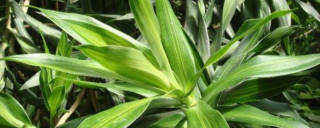
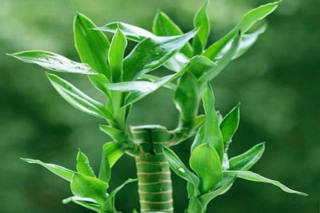
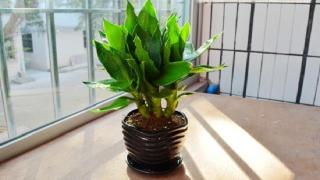
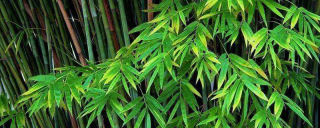
From my perspective as a plant, drooping leaves are not a sign of laziness; they are a critical distress signal. My leaves are my primary organs for capturing light, and they are held upright by water pressure within their cells, a state known as turgor pressure. When I lack water, either in my soil or my stalk, this pressure drops, and my leaves can no longer stand firm. The drooping is a physical manifestation of my internal crisis. It is my way of communicating that my fundamental needs are not being met. The cause is not always simple thirst; it can be a symptom of a deeper issue affecting my ability to absorb or process water.
Before any revival attempt, a correct diagnosis is crucial. My caretaker must play detective. The most common reasons for my drooping leaves are related to water, light, and the health of my roots and stalk. Please check the following:
Water Quality: I am highly sensitive to chemicals like fluoride and chlorine found in tap water. These substances can burn my roots, effectively poisoning me and preventing water uptake, leading to drooping. The type of water used is often the primary culprit.
Water Quantity (for Potted Plants): If I am planted in soil, both overwatering and underwatering can cause drooping. Overwatering suffocates my roots, causing them to rot. Once rotten, they cannot absorb water, and I dehydrate from the roots up. Underwatering is a more direct cause of dehydration.
Light Exposure: While I prefer bright, indirect light, prolonged exposure to direct, harsh sunlight can scorch my leaves, causing them to yellow, wilt, and droop. Conversely, deep shade starves me of the energy I need to maintain my systems, leading to weak, drooping growth.
Once the cause is identified, immediate and appropriate action is needed. Here is the revival protocol from my point of view.
Step 1: Change the Water Immediately. If I am growing in water, this is the first and most important step. Gently remove me from my container and discard the old water. Rinse my roots and the container with fresh, clean water. Refill the container with filtered, distilled, or rainwater. If you must use tap water, let it sit uncovered for 24 hours to allow some chemicals to evaporate. This change gives my roots a clean, non-toxic environment.
Step 2: Prune Damaged Parts. Using clean, sharp scissors, carefully cut away any yellow or soft, mushy parts of my stalk. These sections are dead or dying and can spread decay or attract disease. Also, trim any extensively yellow or brown leaves. This pruning redirects my limited energy to the healthy parts of my system that can still recover.
Step 3: Assess and Address Root and Stalk Health. If my stalk is still firm and green, there is hope, even if the roots are sparse. If the roots are brown, black, and slimy, gently rinse them and trim the rotten parts away. After pruning, you may choose to apply a very dilute liquid fertilizer to the fresh water to give me a nutrient boost, but this is not always necessary immediately.
Step 4: Reposition for Optimal Light. Place me in a spot with bright, but indirect, sunlight. A north or east-facing window is often ideal. Avoid direct afternoon sun. This provides me with the energy I need for recovery without causing further stress from scorching.
Revival is not instantaneous. It will take time for me to redirect my energy, establish new root growth if needed, and regain the turgor pressure in my leaves. Do not move me around frequently or make further drastic changes. Maintain the fresh water, topping it up as needed and changing it completely every one to two weeks. Monitor my condition. You should see my leaves begin to firm up and regain their upward posture over the next few weeks. New green shoots are the ultimate sign of a successful recovery.