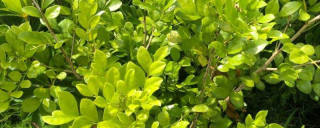
Hello. I am your Greek oregano plant. If you are reading this, I am likely in a state of distress, and I need you to understand my language. My leaves are my primary communication tool. When they turn from a vibrant, slightly fuzzy grey-green to a pale yellow, I am screaming for help. If they feel soft, mushy, and fall off at the slightest touch, I am drowning. You see, my roots are not just anchors; they are my lungs, and they need oxygen from the air pockets in the soil. When you give me too much water, those air pockets disappear, and my roots begin to suffocate and rot. A neglected, thirsty oregano will have leaves that are dry, crispy, and brown, often curling inward to conserve every last drop of moisture. Both states are critical, but overwatering is a faster killer.
The first thing you must do is gently investigate my root system. Carefully lift me from my pot. If the soil is soggy, clings to your fingers, and has a musty or sour smell, the overwatering damage has likely begun. Examine my roots. Healthy roots are firm and white or light tan. If they are dark brown, black, slimy, and fall apart easily, you are dealing with root rot. For the neglected plant, the soil will be hard, cracked, and pulling away from the sides of the pot, and my roots may be brittle and dry. The initial treatment paths for these two conditions are opposite but converge on the same goal: giving me a stable foundation.
For the overwatered oregano, you must act surgically. Gently remove as much of the wet soil as possible from my roots. Using clean, sharp scissors, trim away all the rotted, mushy roots. This feels drastic, but it is essential to stop the decay from spreading. Then, please place me in a new, clean pot that has excellent drainage holes. The pot should only be slightly larger than my remaining root ball; a too-large pot holds excess soil that stays wet for too long. Fill it with a fresh, well-draining potting mix. I thrive in soil that mimics my native Mediterranean hillsides—consider adding perlite, coarse sand, or small gravel to standard potting soil to ensure it drains quickly and allows my roots to breathe.
For the neglected plant, the process is similar but gentler. Rehydrate me slowly. Do not flood me. Place my entire pot (with its dry soil) in a basin of water for about 30-45 minutes, allowing the soil to wick up moisture from the bottom. Once the topsoil feels moist, remove me and let me drain completely. If the soil is too hard and hydrophobic, repotting me into fresh, moist (not wet) well-draining soil is the best course of action.
After this traumatic procedure, I need a perfect recovery room. Place me in a location with bright, indirect light. Direct, harsh sunlight will shock me in my weakened state. Please, resist the urge to fertilize me. My focus must be on root regeneration, not new leaf growth; fertilizer will burn my fragile roots and add more stress.
The most critical change will be to your watering habits. From now on, water me only when needed. Stick your finger about an inch into the soil. If it feels dry, it is time for a deep, thorough watering until it runs out of the drainage holes. Then, leave me alone until the soil is dry again. I am drought-tolerant; I prefer to be on the drier side rather than constantly moist. Good air circulation around my leaves also helps prevent fungal diseases and strengthens my stems.
Recovery will not be instant. Do not be alarmed if I lose a few more leaves as I adjust. My priority is underground, re-establishing a healthy root system. Be patient. In a few weeks, if conditions are right, you should see tiny new growth points emerging from my stems or at the base of the plant. These new leaves will be the vibrant green color you remember. This is my way of saying thank you. It means my roots are functioning again, and I am on the path back to being the fragrant, resilient herb you love.