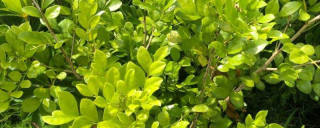
To understand the ideal climate for Greek oregano (Origanum vulgare subsp. hirtum), one must first consider its origins. This perennial herb is a subspecies native to the mountainous, rocky hillsides of Greece and the wider Mediterranean basin. Its physiology is finely tuned to thrive in conditions that many other plants would find stressful: intense sunlight, well-draining poor soils, seasonal drought, and a specific temperature cycle. Its survival strategy is not based on lush, rapid growth but on developing highly aromatic essential oils as a protective mechanism against pests and water loss. Therefore, the "ideal" climate in the US is one that most closely replicates these native conditions, promoting not just survival, but the potent flavor and aroma that define this culinary herb.
Greek oregano is a hardy perennial, but its relationship with temperature is nuanced. Its active growth phase occurs within a moderate temperature range, typically between 60°F and 80°F (15°C to 27°C). During this period, metabolic processes like photosynthesis and cell division are optimal. However, it is remarkably resilient and can tolerate temperatures well outside this range. It survives winter dormancy in USDA Hardiness Zones 5 through 9, enduring minimum temperatures as low as -20°F (-29°C) when established and properly mulched. Crucially, a period of cold dormancy is beneficial. The plant requires this winter chill to reset its growth cycle; without it, performance in subsequent seasons may decline. Conversely, it can tolerate high summer heat, but consistently high temperatures above 90°F (32°C), especially when coupled with high humidity, can induce heat stress, slowing growth and potentially diluting the concentration of its essential oils.
For Greek oregano, sunlight is arguably the most critical climatic factor after temperature. It is an obligate sun-loving plant, requiring a minimum of 6 to 8 hours of direct, unfiltered sunlight daily. From the plant's perspective, full sun is essential for two primary functions. First, it drives maximum photosynthesis, producing the carbohydrates needed for robust growth. Second, and more importantly for its culinary value, intense ultraviolet light acts as a catalyst for the production of its essential oils, primarily carvacrol and thymol. In shaded or even partially shaded conditions, the plant will become leggy as it stretches for light, its growth will be weak, and its leaves will lack the characteristic pungent aroma and flavor. In the US, this means planting in the sunniest location available, with southern or western exposures being ideal.
The plant's relationship with water is defined by a preference for dryness. Greek oregano is exceptionally drought-tolerant once established, thanks to a compact root system adapted to seeking moisture in rocky soils. Its ideal climate features infrequent but deep watering, allowing the soil to dry out completely between irrigation sessions. The most significant threat from a moisture perspective is not lack of rain but excessive humidity and poor air circulation. In humid regions of the US, such as the Southeast or areas with frequent summer rains, the plant is highly susceptible to fungal diseases like root rot, powdery mildew, and botrytis. These conditions can quickly kill the plant. Therefore, an ideal climate is arid or has low humidity, with good breezes that help keep the foliage dry. In more humid areas, the plant must be situated in a location with excellent air drainage.
While not a climatic element per se, the soil condition is a direct response to and modifier of the local climate, especially precipitation. For Greek oregano, perfect drainage is non-negotiable. The ideal soil is lean, sandy, or gravelly, with a neutral to alkaline pH. Heavy, water-retentive clay soils are detrimental as they create a perpetually wet root zone, which is completely alien to the plant's native habitat and leads to rapid root rot. In climates with higher rainfall, amending the soil with sand, gravel, or grit and planting in raised mounds or containers is essential to mimic the dry, well-aerated root environment the plant requires. This man-made "microclimate" at the root level can make cultivation successful even in less-than-ideal regional climates.