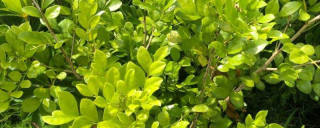
As a Greek oregano plant, my primary need is a well-drained environment for my roots. When this need is not met, a silent crisis begins below the soil surface. The first signs I exhibit are often subtle and easily mistaken for underwatering or nutrient deficiency. Above ground, my leaves, which are normally vibrant and firm, will begin to wilt, yellow, and eventually turn brown. This is not a cry for water but a desperate signal of my roots' inability to absorb it. My growth will become stunted, and my stems may feel soft and weak near the base. The most telling sign, however, is what you cannot see: my root system. In a healthy state, my roots are white or light tan, firm, and spread out to gather moisture and nutrients. When afflicted by root rot, they become dark brown or black, mushy to the touch, and may emit a foul, decaying odor. This is the physical manifestation of the fungal pathogens destroying my vital infrastructure.
From my perspective, root rot is not merely an attack by pathogens like Pythium, Phytophthora, or Rhizoctonia fungi; it is a direct consequence of an inhospitable environment. These fungi are often present in the soil naturally, but they become a lethal threat when conditions favor them over me. The primary cause is consistently waterlogged soil. My roots, like all plant parts, need to breathe. They require oxygen from the air pockets in the soil to perform respiration, the process that generates energy. When the soil is perpetually saturated, these air pockets fill with water, suffocating my roots. This oxygen deprivation weakens my root cells, making them vulnerable and unable to defend themselves. The opportunistic fungi then invade the compromised tissues, accelerating the decay process. Overwatering, a pot without adequate drainage holes, or a soil mix that is too heavy and retains too much moisture are all human actions that create this suffocating, pathogen-friendly environment.
If you suspect I am suffering from root rot, immediate action is required. Gently remove me from my container. Carefully shake off the excess soil to expose my root system. This is a critical moment for assessment. Using sterilized scissors or pruning shears, you must meticulously trim away all the dark, soft, and mushy roots. This feels like a drastic amputation, but it is necessary to stop the spread of the disease to my remaining healthy tissues. Be ruthless but precise; any remaining infected material will continue to decay. After the removal, it is beneficial to dip my remaining healthy, white roots into a fungicide solution or a natural alternative like a diluted hydrogen peroxide bath. This helps to kill any lingering fungal spores on the surfaces of the salvaged roots, giving me a better chance of recovery.
Do not return me to the old, contaminated soil. My survival depends on a fresh start in a completely new environment. Choose a clean pot with excellent drainage holes—this is non-negotiable. The new potting mix must be fast-draining; a blend formulated for cacti and succulents or a standard potting mix amended with perlite, coarse sand, or gravel is ideal. This new medium will ensure that water flows through freely, preventing the waterlogging that caused the initial problem. When repotting, handle my fragile, remaining root system with care. Water me lightly after repotting to settle the soil around the roots, but then allow the top inch or two of soil to dry out completely before watering again. Place me in a location with bright, indirect light to reduce transplant shock and water stress while I begin the slow process of regenerating my root system and re-establishing myself.