I am a tiny seed, a speck of life encased in a protective shell, dormant and waiting. My journey begins when a gardener provides the perfect conditions: a shallow bed of moist, well-draining soil, warmth (around 70°F or 21°C), and a gentle covering of soil that blocks the light I need to signal my awakening. I drink deeply, swelling with water until my coat splits. From within, my radicle, the first root, emerges and drives downward, anchoring me to my new home. Soon after, my hypocotyl pushes upwards, arching like a diver breaking the surface, carrying my seed leaves (cotyledons) into the world. These first leaves are not true oregano leaves; they are my initial food factories, unfurling to capture the light I now crave. My germination is complete.
Now, my priority is establishment. My root system must expand to secure water and nutrients, while above the soil, I focus on photosynthesis. My cotyledons sustain me as I develop my first set of true leaves. These are the real thing—small, oval, and soft, but unmistakably oregano in character. I am fragile during this stage. I need consistent moisture but despise soggy feet, which can cause my roots to rot. Bright, indirect light is essential for strong growth. As I grow taller and produce more sets of leaves, the gardener may "prick me out," carefully transplanting me into my own space if I was sown with siblings. This gives my roots the room they need to flourish without competition.
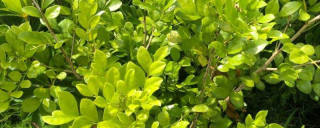
This is my period of vigorous growth. My root system becomes a dense, fibrous network, and my stems become woody at the base. I begin to branch out, developing the bushy habit for which my species, *Origanum vulgare* subsp. *hirtum*, is known. My leaves change, becoming more numerous, slightly larger, and developing the hairy (hirtum means "hairy"), textured surface that will hold the essential oils I am famous for. I need ample sunlight now—at least six to eight hours of direct sun daily—to fuel this growth and produce those potent oils. A periodic, gentle brushing by the wind or the gardener's hand helps strengthen my stems. I am preparing my structure for the ultimate goal: reproduction.
As the days grow long and warm, I receive the signal to flower. But for the gardener, my flavor is most potent just before my flower buds form. This is when the concentration of carvacrol and thymol, the compounds that give me my distinctive aroma and taste, is at its peak. The first harvest is a careful one. The gardener will typically cut a few inches from the top of my stems, just above a set of leaves. This strategic pruning does not harm me; in fact, it encourages me to branch out and become even bushier. It is a partnership—they take a small portion of my growth, and I respond by growing back twice as strong.
After that first harvest, I am considered mature. I will soon send up flower stalks with clusters of small, white blossoms that are a beacon for bees and pollinators. If the gardener wants to maximize leaf production, they may pinch off these flower buds. Otherwise, I will joyfully bloom. From this point on, harvests can be regular throughout the growing season. Each time a stem is cut, I am stimulated to produce new growth from the leaf nodes below the cut. This cycle can continue until the cooler days of autumn signal that it is time for me to rest. In my second year, I will emerge from dormancy as a strong, established plant, ready for a full season of harvest from spring until fall.