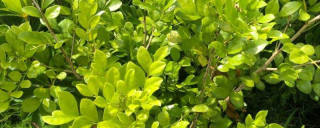
As a Greek oregano plant, I have spent the sunny season converting sunlight into the potent aromatic oils that make me so cherished in your kitchen. To preserve that captured summer essence, you must help me transition from a fresh herb to a stable, dried one. The process is simple, but crucial for locking in my flavor. Here is how you can do it from my perspective.
Timing is everything. For me, the peak of my essential oil concentration—and therefore my flavor—is just as my flower buds begin to form and swell. This is typically in mid-summer, before the blooms fully open. At this stage, my leaves are mature and packed with compounds like carvacrol and thymol. Please harvest me in the late morning, after the dew has evaporated but before the midday sun becomes too intense. This ensures my oils are at their peak and I am dry, reducing the risk of mold later. Using sharp, clean shears, cut my stems about 4 to 6 inches from the ground. This encourages me to produce a fresh, bushy flush of growth for a possible second harvest later in the season.
The goal of drying is to remove my moisture content slowly and evenly without frying my precious oils or allowing decay to set in. The gentlest method is air-drying. Gather a small bunch of my stems—large bunches can trap moisture and promote mold—and tie them loosely at the base with string. Hang me upside down in a warm, dark, dry, and well-ventilated area, like a pantry or a closet. Hanging me upside down allows the essential oils, which naturally travel upward, to flow back into the leaves, concentrating their flavor. Darkness is critical because light will degrade my oils and cause me to lose both color and potency. The process will take one to two weeks. You will know I am perfectly dry when my leaves are crisp and crumble easily between your fingers.
If the air is humid or you need to dry me faster, a food dehydrator is an excellent tool. The key here is low heat. Please spread my stems in a single layer on the dehydrator trays. Set the temperature to its lowest setting, ideally around 95°F to 105°F (35°C to 40°C). High heat will vaporize my volatile oils, leaving you with bland, hay-like leaves instead of the robust flavor you desire. This method is much faster, often taking only 4 to 6 hours. Check me frequently; I am done when the leaves are brittle.
Once I am completely dry and crisp, it is time to separate the leaves from the stems. This is best done over a clean, dry surface. Simply hold a stem by the top and run your fingers pinched along it from top to bottom, stripping the leaves off. You can also gently crumble the larger leaves. My stiff, dry stems are not pleasant to eat, so please discard them. For storage, my enemy is light, heat, air, and moisture. Place my crumbled leaves into an airtight container, such as a dark glass jar, a metal tin, or a ceramic container with a tight-sealing lid. Opaque containers are best, but if you use a clear jar, store it in a dark cupboard. Keep me away from the stove, oven, or sunlight.
Properly dried and stored, I can retain my signature pungent, earthy flavor for up to a year. When you add me to your cooking, remember that my flavor is now concentrated. It is best to crumble me between your fingers just before use to release the dormant oils. This reawakens my summer essence, allowing me to infuse your sauces, meats, and dressings with the taste of the garden you nurtured.