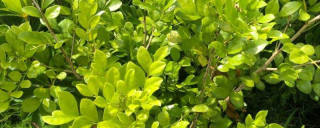
From my perspective as a Greek Oregano plant (*Origanum vulgare* subsp. *hirtum*), my primary benefit to a gardener is my inherent toughness. I am a perennial herb, meaning I return year after year from my robust root system, establishing myself as a permanent, low-maintenance fixture in the garden. My growth habit is compact and spreading, forming attractive clumps of small, oval leaves covered in fine, glandular hairs. These hairs are not just for show; they are tiny factories for the essential oils that give me my characteristic aroma and flavor. I thrive in well-drained soil and full sun, conditions reminiscent of my native Mediterranean hillsides. My woody stems and deep roots make me exceptionally drought-tolerant once established, requiring minimal water and care. I am not a demanding plant; in fact, poor soil often intensifies the concentration of my beneficial oils, making me even more potent.
My most celebrated contribution to the human world lies in my culinary value. The volatile oils stored in my leaves, primarily carvacrol and thymol, are responsible for my sharp, peppery, and intensely aromatic flavor profile, which is notably stronger and more authentic than common oregano (*Origanum vulgare*). When a gardener harvests my leaves just before my flowers bloom, that is when my essential oil concentration is at its peak. The act of brushing against my foliage releases these oils, a fragrant signal of the flavor I can impart. Drying my leaves concentrates these oils further, preserving my pungent character for use throughout the year. I am indispensable in Mediterranean cuisine, enhancing tomatoes, grilled meats, salads, and olive oils. By growing me, a cook has access to a far superior ingredient than most store-bought alternatives, which are often a different, less flavorful species altogether.
Beyond the kitchen, my leaves are a reservoir of compounds with a long history of medicinal use. The same carvacrol and thymol that provide my flavor also possess powerful antioxidant, antimicrobial, and antifungal properties. For centuries, humans have used teas made from my leaves to soothe digestive discomfort, coughs, and sore throats. From my viewpoint, these compounds are part of my own defense system, protecting me from harmful bacteria and fungi in the environment—a benefit I readily share. Furthermore, when I produce my small white flowers in summer, I become a beacon for beneficial insects. Bees, butterflies, and other pollinators are drawn to my blooms, providing a vital food source for them and enhancing the pollination and health of the entire garden ecosystem. This makes me an excellent companion plant, contributing to a healthy, balanced garden.
My benefits extend into the sensory and aesthetic realm. I am a plant that engages multiple senses. Visually, I offer a lush, green carpet of foliage that can serve as an attractive ground cover or a neat border plant. My texture is soft yet sturdy. My most significant sensory contribution, however, is olfactory. On a warm, sunny day, I release my distinctive, earthy aroma into the air, creating a pleasant and stimulating garden atmosphere. This scent can have a calming effect and helps to define a Mediterranean-style garden. I am a plant that is not just grown for use but also for experience, adding a layer of depth and enjoyment to the garden space that goes beyond the practical.