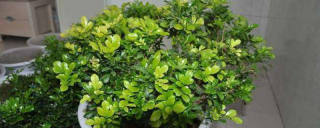
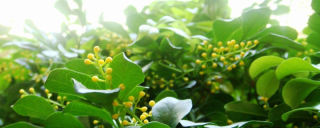
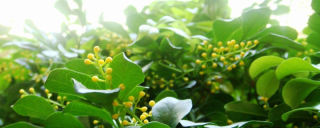
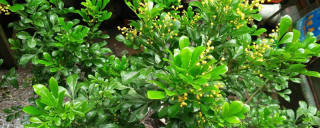
Aglaia odorata, commonly known as the Chinese Perfume Plant or Mock Lemon, is a flowering evergreen shrub or small tree belonging to the Meliaceae family. It is highly prized in horticulture for its dense foliage and, most notably, its incredibly fragrant, tiny yellow flowers. The scent, often described as a sweet, citrusy perfume, is potent and can fill a garden space. Native to Southeast Asia and Southern China, it is cultivated in tropical and subtropical regions worldwide as an ornamental plant. While its aesthetic and olfactory appeal to humans is clear, a critical question arises regarding its safety for household pets, particularly cats and dogs, who may interact with garden plants.
From a botanical perspective, the potential toxicity of a plant is often linked to specific chemical compounds it produces as secondary metabolites. These compounds can serve various functions for the plant, such as deterring herbivores or preventing fungal attacks. Aglaia odorata is known to contain a class of compounds called rocaglamides or flavaglines. These are complex natural products that have been the subject of scientific research, primarily for their potential anti-cancer and insecticidal properties. The presence of such biologically active compounds is a primary indicator that a plant may pose a risk if ingested by animals, as these substances can interfere with cellular processes.
When assessing the risk of Aglaia odorata to cats and dogs, it is crucial to consult resources that compile veterinary toxicology data. According to major animal poison control centers, including the ASPCA (American Society for the Prevention of Cruelty to Animals), Aglaia odorata is not listed on their primary databases of plants that are toxic to cats and dogs. This suggests that it is not commonly reported as a cause of poisoning and is not classified among the highly dangerous plants like lilies (for cats) or sago palms. However, the absence of widespread reporting does not equate to absolute safety. The plant's chemical profile suggests a potential for toxicity, and a lack of data can sometimes mean that incidents are rare or underreported rather than that the plant is completely innocuous.
Despite its lack of classification as a major toxic threat, a prudent approach is necessary. The fundamental principle for pet owners is that any plant material, even non-toxic varieties, can cause gastrointestinal upset in cats and dogs if ingested. The mechanical irritation of leaves or flowers can lead to symptoms like vomiting, diarrhea, or drooling. Given that Aglaia odorata contains rocaglamides, which are potent bioactive agents, ingestion of a significant quantity of leaves or flowers could potentially lead to more than simple stomach upset. The specific effects of these compounds on companion animals have not been thoroughly studied, so the risk remains unknown. Therefore, the plant should be considered of unknown toxicity, and caution is advised.
In summary, while Aglaia odorata is not officially recognized as a toxic plant to cats and dogs by leading animal welfare organizations, its chemical composition warrants a cautious stance. It is not considered a safe, edible plant for pets. The most responsible action for a pet owner is to prevent access to the plant altogether. This can be achieved by placing the plant in hanging baskets or in areas of the garden that are inaccessible to pets. If a pet is observed chewing on or ingesting any part of the Chinese Perfume Plant, it is advisable to monitor them closely for any signs of illness and contact a veterinarian immediately if any symptoms, such as vomiting, lethargy, or loss of appetite, develop. Providing the veterinarian with the plant's name can be helpful for a swift diagnosis.