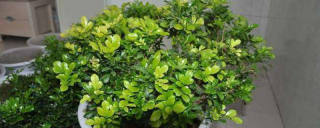
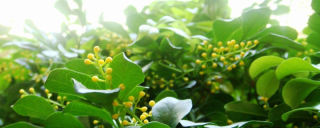
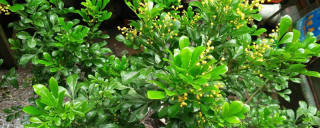
From my perspective, the yellowing of my leaves is a distress signal, and the origin is often where you cannot see: my root system. My roots are my mouth and my anchor. When they are unhappy, the entire plant suffers. The most common issue is water. If my soil is constantly soggy, my roots are suffocating. They need oxygen to function, and waterlogged soil pushes out all the air. In this state, my roots begin to rot, turning soft and brown. They can no longer absorb water or nutrients effectively. Ironically, this lack of uptake causes my leaves to turn yellow, wilt, and drop, mimicking the symptoms of thirst. Conversely, if the soil becomes bone dry, my roots shrivel and die. Without functional roots, I cannot deliver moisture to my leaves, causing them to yellow, crisp up, and fall.
My leaves are my food factories, and their vibrant green color comes from chlorophyll. To produce chlorophyll, I need specific nutrients, particularly nitrogen. When I am starved of nitrogen, I am forced to redirect the limited supplies from my older, lower leaves to support new growth. This is why you see the older leaves turning a uniform yellow first. However, I can also suffer from too much of a good thing. An overabundance of fertilizer creates a toxic concentration of salts in the soil, which actually pulls water out of my roots—a process called fertilizer burn. This damages my root system and again leads to yellowing leaves. I require a balanced diet, tailored to my growth phase and the season.
I am a creature of habit and have evolved for specific conditions. Sudden changes in my environment cause significant stress, which manifests in yellow leaves. If I am moved from a shaded spot into intense, direct sunlight, my leaves can scorch. The delicate tissues burn, turning yellow or brown. Alternatively, if I am deprived of sufficient light, my food-production system slows down. I may become leggy as I stretch for light, and my lower leaves may yellow and drop because I am conserving energy. Temperature is another critical factor. I thrive in warmth. Exposure to cold drafts or temperatures below my comfort zone can shock my system, disrupting internal processes and causing leaves to yellow rapidly. Please keep my home stable and comfortable.
As I mature, my root system expands to support my top growth. If I am confined to a pot that is too small, my roots become densely packed and pot-bound. They circle the inside of the container, unable to access enough soil, water, or nutrients. This severe restriction mimics the symptoms of underwatering and nutrient deficiency, leading to widespread yellowing of leaves and stunted growth. My roots need space to explore and gather resources. Being root-bound is a constant state of stress for me, and my yellow leaves are a clear request for a new, larger home where I can continue to thrive.
Sometimes, the yellowing is a direct result of an attack. Tiny pests like spider mites, aphids, or scale insects suck the sap directly from my leaves and stems. They pierce the plant cells and drain the chlorophyll-rich fluids, leaving behind stippled, yellowed, and weak foliage. Similarly, fungal or bacterial diseases can attack my roots or leaves, blocking my vascular system—the equivalent of my veins and arteries. This prevents the flow of water and nutrients, causing sections or the entirety of my leaves to yellow, wilt, and die. These invaders weaken me significantly, and the yellow leaves are a battle cry for help.