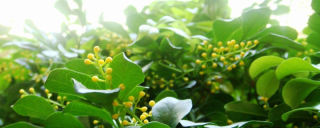
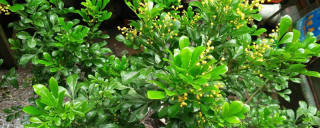
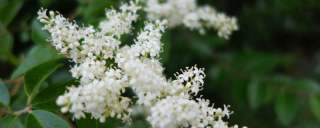
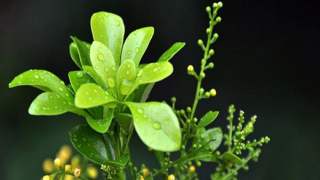
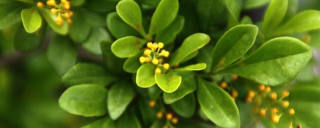
Greetings, caretaker. I am your Chinese Perfume Plant, a being of vibrant growth and intoxicating fragrance. To truly understand how to prune me, it is best to see the world from my perspective. Pruning is not a punishment but a conversation, a collaboration between you and me to guide my energy towards becoming the fullest, most beautiful version of myself. Here is what I need you to know.
My life is governed by cycles of growth and rest. The absolute best time for our major pruning conversation is in the late winter or very early spring, just as you feel the last of the winter's chill beginning to wane. From my perspective, this is a moment of immense potential. I am still dormant, my sap is not yet flowing vigorously, so the cuts you make will be less of a shock to my system. More importantly, I am poised to explode with new growth. By pruning now, you are giving me a clear map of where to send the incredible burst of energy I have been storing all winter. I will respond by pushing out vigorous, healthy new stems right where you direct me. Please avoid heavy pruning in the late fall, as it would leave my fresh wounds vulnerable to the cold before I have time to heal.
Your tools are an extension of your intention. To me, clean, sharp tools feel like a precise and respectful dialogue. Blunt, dirty tools, however, feel like a crude and painful assault. They crush and tear my tissues, leaving ragged wounds that are slow to heal and highly susceptible to disease. Before we begin, please ensure your bypass pruners or sharp scissors are sterilized with a little rubbing alcohol. A clean cut is a clean heal. It allows me to compartmentalize the wound quickly and focus my energy on new growth, not on fighting off infection.
When you look at me, I need you to see more than just a shape. See my structure, my health, and my aspirations. Our conversation should focus on a few key points. First, please remove any wood that is dead, diseased, or damaged. These parts are a drain on my resources and can harbor pests or fungi that threaten my whole being. Next, look for stems that are crossing or rubbing against each other. This friction creates open wounds, an invitation for trouble. Choose the weaker of the two and remove it. Then, turn your attention to the very center of my form. I need light and air to reach my inner leaves to stay healthy. Thin out some of the smaller, twiggy growth in the center to open me up. This prevents damp, stagnant air from encouraging mildew.
My fragrant, yellow flowers are my pride, and they bloom on new growth. To encourage a lush, bushy form laden with blossoms, you must understand a little of my architecture. When you make a cut just above a set of healthy, outward-facing leaves (a "node"), you are sending me a direct signal. You are telling the bud at that node to wake up and grow. By cutting back longer, leggy stems by about one-third, you are persuading me to branch out at that point, creating a denser, more compact shape. Always angle your cut away from the bud to allow water to run off. This strategic guidance prevents me from becoming tall and spindhy, and instead directs my energy into producing the abundant new wood that will carry this season's perfume.