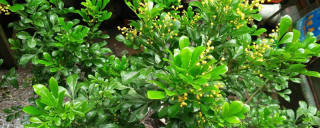
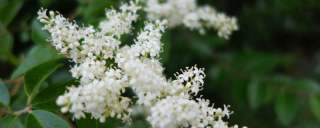
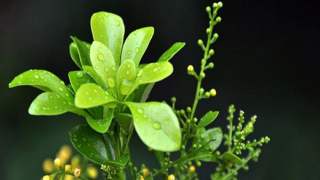
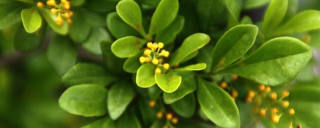
From our perspective as Aglaia odorata plants, often known as the Chinese Perfume Plant, our relationship with fertilizer is a delicate dance. We are not heavy feeders like some flowering shrubs, but we do have specific needs that, when met, allow us to express our full potential: lush, glossy green leaves and an abundance of those tiny, intoxicatingly fragrant yellow flowers. To understand the schedule for lush growth, you must first understand our nature and our annual cycle.
Our life force is deeply tied to the sun and temperature. During the warm, bright days of spring and summer, we are in our active growth phase. This is when we are most hungry. We are channeling energy into producing new stems and leaves, and most importantly, preparing for and initiating our blooming period. This is the time for consistent nutritional support. As autumn approaches and daylight wanes, our metabolism slows. We begin to prepare for a period of rest during the cooler winter months. Pushing new, tender growth at this time with fertilizer would be counterproductive and potentially harmful, as the soft growth would be vulnerable to cold damage.
To support lush foliage, a fertilizer with a balanced ratio of nitrogen (N), phosphorus (P), and potassium (K), such as a 10-10-10 or 15-15-15 formula, is generally suitable. Nitrogen is crucial for the deep green color and vigorous leaf production you admire. However, for us to truly thrive and produce the fragrant blooms we are known for, we require a boost of phosphorus. Therefore, a fertilizer with a slightly higher middle number (e.g., 10-20-10) applied as we enter our blooming season can encourage a more prolific flower set. We also appreciate micronutrients like iron and magnesium, which help keep our leaves a vibrant green and prevent yellowing (chlorosis).
Here is the annual feeding schedule that aligns with our internal clock:
Early to Mid-Spring (as new growth emerges): This is the signal to begin. Please provide us with a balanced, slow-release fertilizer. This type of fertilizer releases nutrients gradually, providing a steady supply of food throughout our main growing season without the risk of root burn from a sudden, concentrated dose. Alternatively, a diluted, water-soluble fertilizer applied every two to three weeks is also effective.
Throughout Summer: Continue with the feeding regimen established in spring. If you are using a water-soluble fertilizer, maintain the bi-weekly or monthly schedule. If you applied a quality slow-release formula in spring, it should still be feeding us. The consistent nutrition during this period supports continuous growth and sustains our flowering efforts.
Early Autumn: This is the time to stop. Please do not fertilize us after late summer. We need to harden off our current season's growth and enter our natural dormant period. Fertilizing now would be confusing and stressful.
Winter: We are resting. No fertilizer is needed or desired. Our roots are less active and cannot absorb nutrients effectively in the cold.
Always ensure our soil is moist before applying any fertilizer. Applying fertilizer to dry soil can shock our root system and cause significant damage. Water us thoroughly a day before, or apply the fertilizer with water. For potted specimens like us, we are more susceptible to salt buildup from fertilizers. It is good practice to occasionally leach the soil by running a slow, steady stream of water through the pot for several minutes to flush out excess salts. A layer of organic mulch around our base (but not touching the trunk) is also beneficial, as it slowly breaks down and adds mild, natural nutrients to the soil, mimicking our natural forest floor habitat.