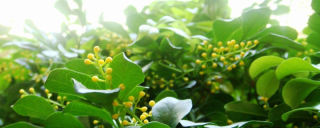
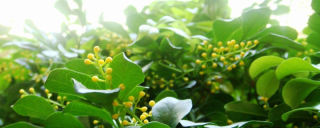
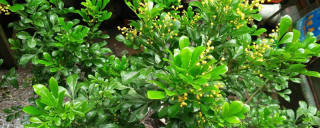
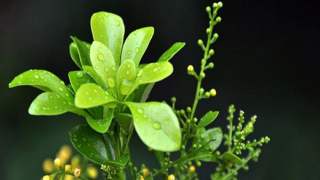
As a member of the *Aglaia odorata* species, commonly known as the Chinese Perfume Plant, my fundamental growth requirements are dictated by my origins. I am a tropical and subtropical evergreen shrub, native to the warm, humid forests of Southeast Asia and Southern China. This heritage means I thrive in conditions that are consistently warm and frost-free. My metabolism, cellular structure, and reproductive cycles are all fine-tuned for environments where the temperature rarely, if ever, dips below freezing. Prolonged exposure to cold is not just uncomfortable for me; it is a direct threat to my vitality and survival. My cells contain a high amount of water, and when temperatures drop too low, ice crystals can form, rupturing my cell walls and causing irreversible damage, a condition you know as frostbite.
The USDA Plant Hardiness Zone Map is a crucial tool for translating my needs into your local context. It defines zones based on the average annual extreme minimum winter temperature. For me, this single metric is the most critical factor. I am reliably perennial only in zones where the coldest temperatures I will face align with my tolerance. Based on collective experience, I am considered hardy outdoors year-round in USDA Zones 10 through 12. In these zones, the average minimum temperature ranges from 30°F to 50°F (-1.1°C to 10°C) and above. This means that while I may experience a brief, mild chill in Zone 10a (30°F to 35°F), the cold is not severe or prolonged enough to cause fatal damage to my woody stems and root system.
You may ask about Zone 9, where minimum temperatures can fall between 20°F and 30°F (-6.7°C to -1.1°C). Here, the answer becomes nuanced. I would describe Zone 9 as a marginal zone for me. Survival is not guaranteed and is highly dependent on specific microclimates. If I am planted in a exceptionally sheltered location—for example, against a south-facing wall that absorbs and radiates heat, or under the protective canopy of a large tree that mitigates radiational cooling—I might survive a typical winter. However, a sudden, severe cold snap, even if brief, can cause significant die-back of my above-ground growth. I may lose my leaves and younger branches, forcing me to resprout from the roots in the spring, which delays my growth and flowering. In such a zone, I would be living a precarious existence.
For zones 8 and colder, where winter temperatures regularly fall below 20°F (-6.7°C), attempting to plant me permanently outdoors would be fatal. The freezing temperatures would damage my vascular system and kill my roots, from which I cannot recover. In these regions, my existence must be that of a container plant. This allows me to be moved outdoors to enjoy the warm summer months, where I can bask in the humidity and bright, indirect light. But as autumn approaches and temperatures begin to consistently drop below 45°F (7°C), I must be brought indoors to a bright, sunny location to wait out the winter. This container life is a compromise; it restricts the full size I can achieve but is necessary for my survival.
While the hardiness zone is the primary determinant for my outdoor survival, other factors influence my health and flowering potential, even within a suitable zone. I prefer well-draining, slightly acidic soil, as my roots are susceptible to rot in heavy, waterlogged earth. I flourish in bright, dappled light, much like the understory of my native forests; intense, direct afternoon sun can scorch my glossy leaves. Adequate moisture and humidity encourage the development of my small, yellow, incredibly fragrant flowers. Therefore, even within Zones 10-12, my placement in the garden must be chosen with care to provide these complementary conditions for me to truly thrive, not just survive.