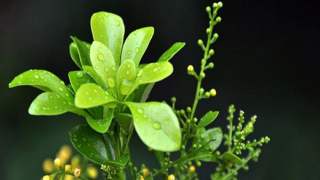
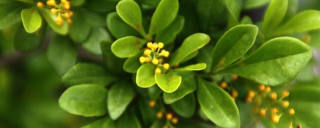
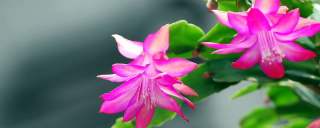
Greetings, caretaker. I am your Aglaia odorata, the plant you might know as the Chinese Perfume Plant. To truly understand my watering needs, you must listen not just to a schedule, but to the language of my leaves, my soil, and the environment we share. My well-being depends on a delicate balance of moisture and air at my roots. Let me explain from my perspective.
First and foremost, I am not a thirsty aquatic plant, nor am I a true desert succulent. I hail from subtropical regions where my roots are accustomed to well-draining soil that holds moisture but never becomes waterlogged. The single most important rule is this: I despise having my roots sit in soggy, saturated soil. When you overwater me, you are essentially drowning me. You push the oxygen out of the soil pockets, and my roots begin to suffocate and rot. Once root rot sets in, it is a swift and often fatal decline. It is far safer for me to be slightly thirsty than constantly wet.
Forget the calendar. The frequency of your watering depends on the temperature, humidity, light levels, and even the size of my pot. The most reliable method to understand my needs is to physically check my soil. Please, insert your finger into the soil up to about the second knuckle (roughly 2 inches or 5 cm deep). If the soil at that depth feels:
Dry: This is your signal. I am ready for a drink. Please proceed with watering.
Moist or Cool: I am still perfectly hydrated. Please check again in a day or two. There is no need for water yet.
This simple test allows you to respond directly to my actual condition, not a guess.
When my soil is dry to the touch, I need a proper, thorough watering. A mere sprinkle on the surface is worse than giving me nothing at all, as it only wets the top roots and encourages them to grow upwards, making me more vulnerable to drying out. Instead, water me slowly and evenly at the base of my stem, avoiding my leaves. Continue until you see water flowing freely out of the drainage holes at the bottom of my pot. This ensures that the entire root ball has been moistened. Crucially, after about 15-20 minutes, always empty the saucer underneath my pot. Leaving me standing in that drained water would completely undo the benefit of the watering and put me at immediate risk of root rot.
My metabolism changes with the seasons, and so does my water consumption.
Spring and Summer (My Growing Season): During these warmer, brighter months, I am actively growing new leaves and, with enough light, producing my fragrant yellow flowers. I am using more energy and water. You will likely find that my soil dries out more quickly, requiring more frequent checks and waterings, perhaps as often as once a week, depending on conditions.
Autumn and Winter (My Dormant Period): As the days shorten and temperatures cool, my growth slows significantly. I am resting. My roots take up water much more slowly. Therefore, the soil will take a much longer time to dry out. During this time, you must space out your waterings considerably, perhaps only every two to three weeks, or even longer. Always, always rely on the finger test during this period to avoid overwatering, which is the greatest threat to me in winter.
While the soil test is primary, my leaves will also tell you about my discomfort. If my leaves are turning yellow, feeling soft, and dropping, I am likely suffering from too much water. If my leaves are becoming crispy, brown, and brittle, starting at the tips and edges, I am telling you that I have been too dry for too long. Please learn to read these signs, but aim to water me based on the soil moisture before these distress signals appear.