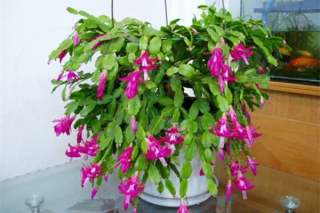
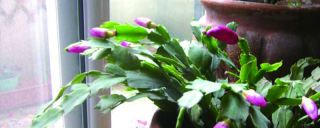
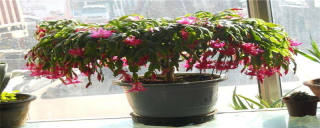
To answer whether you should mist your Christmas Cactus (*Schlumbergera bridgesii*), we must first understand its origins. This plant is not a desert cactus but an epiphytic cactus, meaning it naturally grows on trees in the humid, shaded rainforests of coastal Brazil. In this environment, its roots are not buried in dry soil but are instead anchored in decomposing leaf litter and moss on tree branches. The air is consistently moist, and while rainfall is common, the plant is adapted to absorb a significant amount of humidity directly from the air through its stems. Therefore, from the plant's point of view, it is physiologically accustomed to a higher ambient humidity level than the average heated home provides, especially during winter.
For the Christmas Cactus, humidity plays a crucial role in its metabolic processes. The plant's flat, segmented stems are designed for photosynthesis and water storage. When the air is sufficiently humid, the stomata (tiny pores on the plant's surface) can remain open for longer periods to take in carbon dioxide for photosynthesis without risking excessive water loss through transpiration. In the dry air created by central heating or air conditioning, the plant loses water from its stems faster than it can draw it up from its roots. This can lead to physiological stress, manifesting as shriveled, limp segments, or the dropping of flower buds—a common complaint just before the blooming period. Misting provides a temporary, localized increase in humidity, which can help reduce this transpirational stress.
From the plant's perspective, a fine mist settling on its stems mimics the gentle moisture of its native cloud forest. The primary benefit is the immediate relief from dry air. This micro-climate of humidity can help prevent the dehydration of stem segments, keeping them plump and healthy. Furthermore, during the critical bud formation stage in the autumn, maintaining higher humidity around the plant can be the deciding factor between buds developing into flowers or drying up and falling off. For a plant that has been recently repotted or is recovering from stress, misting can offer supportive hydration while its root system is re-establishing itself. It is a direct way to hydrate the parts of the plant that are most susceptible to aerial dryness.
However, the plant's perspective also highlights significant risks associated with improper misting. The most critical danger is fungal and bacterial disease. If water droplets persistently sit in the joints between stem segments or on flowers, they create a perfect environment for pathogens to grow. Crown rot or stem rot can quickly set in, which is often fatal. Therefore, misting should never be done heavily or so frequently that the plant is constantly wet. The goal is to increase ambient humidity, not to water the plant from the top down. Misting should be a fine spray aimed around the plant, not directly drenching it, and should be done in the morning so any excess moisture can evaporate during the day. Poor air circulation exacerbates these risks, so ensuring good ventilation is essential.
While misting is a direct approach, the plant may benefit more from a consistently humid environment rather than short, sharp bursts of moisture. From the plant's point of view, a more stable solution is preferable. Placing the pot on a pebble tray filled with water (ensuring the pot sits above the waterline) creates ongoing evaporation that humidifies the air around the plant. Grouping several houseplants together also creates a microclimate of shared transpiration. Alternatively, using a room humidifier is the most effective way to replicate the steady humidity of the plant's natural habitat without wetting the foliage and risking disease. These methods address the root cause—low ambient humidity—rather than just treating the symptom.