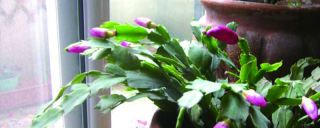
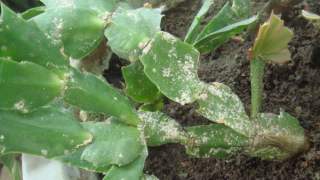
From my perspective as a Christmas cactus, becoming "leggy" or etiolated is not a sign of ill health, but rather a desperate survival strategy. My native home is the shaded, humid understory of Brazilian rainforests, where I grow as an epiphyte on tree branches. In this environment, light is a precious, dappled resource. When I am placed in a location with insufficient light, my internal chemistry triggers a specific response. I begin to channel my energy into rapid, elongated growth in a specific direction, stretching my stem segments (called cladodes) towards any available light source. This growth is weaker, with longer gaps between segments, because the priority is reaching light, not building strong, compact structures. It is a clear signal that my fundamental need for photosynthetic energy is not being met.
The most effective and immediate fix for my leggy condition is to adjust my light intake. To encourage the compact, bushy growth you desire, I need bright, but indirect, light for the majority of the day. A north or east-facing window is often ideal. Direct, harsh afternoon sun can scorch my segments, causing them to turn a reddish-purple color—a clear sign of stress. By providing consistent, gentle light, you reassure my system that there is no need to stretch. The new growth that emerges will naturally be shorter, with segments closer together. This is the foundational step; without proper light, other corrective measures will be less effective.
While better light will improve new growth, the existing long, leggy sections will not shorten on their own. This is where pruning becomes a beneficial intervention from my point of view. Pruning mimics natural breakage and encourages a hormonal response called apical dominance. When you twist off a section of my stem (preferably at a segment joint), you remove the dominant growing tip. This signals the plant to redirect energy to the dormant buds lower down on the stem, prompting the growth of two or more new branches from the point of the cut. This process, repeated, transforms a single, long stem into a denser, bushier plant. The best time to do this is after I have finished blooming, typically in late spring or early summer, when I am entering a period of active growth.
After the stress of being leggy and the physical intervention of pruning, I need the right resources to recover robustly. My watering needs are specific; I prefer to dry out slightly between waterings. Soggy, waterlogged soil is detrimental to my roots and can lead to rot, hindering my ability to support new growth. Water me thoroughly when the top inch of soil feels dry, and always ensure excess water can drain away. Following a pruning session, a light application of a balanced, water-soluble fertilizer (diluted to half-strength) can provide the necessary nutrients to fuel the development of new branches. However, avoid over-fertilizing, as this can lead to weak, soft growth, counteracting your goal of a sturdy plant.
Do not view the pruned sections as waste! From my biological standpoint, each healthy segment has the potential to become a new plant. This is how I naturally propagate in the wild. Allow the cut ends of the segments to callus over for a day or two in a dry, shaded spot. Then, you can plant them lightly in a moist, well-draining potting mix. These cuttings will soon develop their own root systems and grow into clones of the parent plant. This is not only a rewarding process for you but also a way to maximize the outcome of the pruning process, creating more compact, healthy plants from the original leggy one.