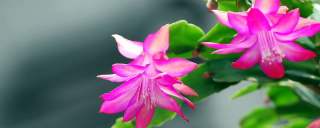
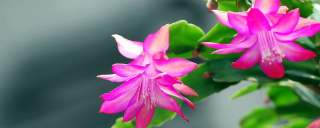
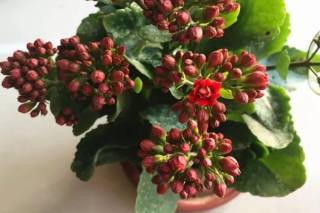
For us, the Christmas cactus (Schlumbergera spp.) is a festive houseplant, but for the plant itself, survival is the primary goal. Dormancy is not a period of inactivity; it is a highly strategic and essential physiological state. In its native habitat of the coastal mountains of southeastern Brazil, the Christmas cactus is an epiphyte, growing on trees in shady, humid forests. The "dormancy period" we impose mimics the cool, drier conditions it would experience in the wild leading up to its winter flowering season. This period of environmental stress is a crucial signal for the plant to cease vegetative growth and reallocate its energy reserves from producing new stem segments (cladodes) to the critical task of initiating flower buds. Without this rest period, the plant remains in a perpetual state of growth and will likely fail to bloom.
The Christmas cactus is a short-day plant, meaning it relies on specific photoperiods to trigger blooming. However, photoperiod is only one part of the equation. The plant's internal clock responds to a combination of three key environmental factors that signal the approach of its natural flowering time. The most important trigger is the lengthening period of uninterrupted darkness. For about 6-8 weeks, the plant requires 12-14 hours of complete darkness each night. Even a brief exposure to artificial light can disrupt this cycle. The second trigger is a significant drop in temperature, ideally to a range between 50-55°F (10-13°C). This coolness works in tandem with the darkness to halt growth. The third factor is a reduction in water. The soil should be allowed to dry out more thoroughly between waterings, but not to the point where the stems shrivel. This mild hydric stress further encourages the plant to enter its dormant, bud-setting phase.
Internally, the plant undergoes significant changes during this dormancy period. The core process involves a shift in hormone production. The plant reduces the production of gibberellins, hormones that promote stem elongation and leaf growth. Simultaneously, it increases the production of flowering hormones like florigen. With vegetative growth suppressed, the plant's energy, stored in its fleshy stems, is diverted to the development of primordial flower buds at the tips of the segments. You will not see visible growth during this time, and that is exactly the point. The plant is conserving every resource, waiting for the precise moment when the environmental signals indicate that conditions are optimal for pollination—a time when insects are less active and the rainy season has passed in its native habitat.
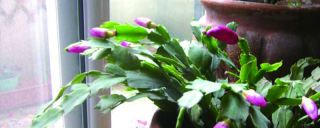
The dormancy period typically lasts for 6 to 8 weeks. Once you begin to see small, bead-like buds forming at the ends of the stem segments, the plant has successfully received the signals to break its dormancy. At this stage, you can gradually transition the plant back to its standard care routine. Move it to a warmer location, but avoid sudden temperature shocks or hot drafts, which can cause the buds to drop. Increase watering frequency, keeping the soil consistently moist but not waterlogged. You can also resume a light, balanced fertilizer regimen to support the immense energy expenditure of flowering. The plant will now channel all its stored energy into swelling these buds and producing its spectacular, long-lasting flowers, a beautiful reward for respecting its innate need for a seasonal rest.