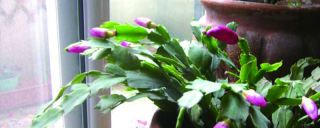
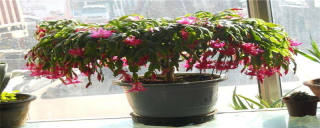
From my perspective as a plant, the primary reason my caretakers cherish me, especially around the holidays, is my spectacular floral display. The formation of flower buds is not a simple whim; it is a precise physiological response to environmental cues, primarily light and temperature. To initiate budding, I require long, uninterrupted periods of darkness (12-14 hours) and cool temperatures for several weeks. However, this dark period must be preceded by a phase of receiving bright, indirect light during the day. If I am situated in a spot that is too dim, my internal photosynthetic machinery cannot produce enough energy. I must prioritize survival over reproduction. Without sufficient light energy reserves, I simply cannot afford the immense metabolic cost of producing buds. Therefore, if the holiday season approaches and I show no signs of tiny, knobby buds at the ends of my segments, it is a clear signal that my daily light ration is insufficient to support my reproductive cycle.
My normal, healthy coloration is a deep, rich green. This green comes from chlorophyll, the pigment essential for capturing light energy. When I am starved for light, my survival instincts trigger a process you might call desperation. I will attempt to produce more chlorophyll and elongate my stems in a frantic search for a stronger light source. This results in a pale, yellowish, or washed-out appearance of my segments, as the new growth lacks the density of pigment. Simultaneously, the new segments that emerge will be noticeably thinner, longer, and more stretched out than the older, healthier growth beneath them. This condition, known as etiolation, is a direct plea from my physiology: "I am stretching myself thin to find the sun!" It weakens my structure and makes me more susceptible to damage.
Healthy growth for me is compact and robust. Each new segment should plump up nicely and be similar in size to the one before it, creating a full, cascading appearance. Under low light conditions, the story is very different. The energy I manage to produce is diverted away from strengthening existing structures and towards rapid, vertical growth. The spaces between the segments, called the internodes, become abnormally long. Instead of a bushy plant, I become "leggy" or spindly, with large gaps between my leaves. This growth is weak and often cannot support itself. It is a clear sign that I am investing all my resources in a risky gamble to reach a better-lit environment, rather than in consolidating my current form.
Light is my food. Through photosynthesis, I convert light, water, and carbon dioxide into the sugars that power every function within my body. When light is scarce, I begin to starve. Without this energy supply, my cells lose their turgor pressure—the internal water pressure that keeps my segments firm and rigid. You will notice my segments becoming soft, limp, and possibly wrinkling. This is different from wilting due to thirst; in fact, it can often be mistaken for overwatering. The key difference is that in low light, the soil will likely remain moist for a long time because I am not using the water efficiently for growth. This combination of soft segments and persistently wet soil creates a dangerous situation, making me extremely vulnerable to root rot and other fungal diseases, as my weakened state offers little resistance.
Beyond these specific symptoms, there is an overall aura of unwellness that accompanies insufficient light. I simply lack vigor. I may drop segments or buds prematurely as a last-ditch effort to conserve my minimal energy reserves. My overall growth will slow to a crawl or stop entirely. I will appear stagnant and unhappy. While I am not a high-light desert cactus, I still originate from bright, filtered forest canopies. I thrive on consistent, bright, indirect light. Observing a general lack of new growth and a dull, lethargic appearance is often the first subtle hint that my environmental needs are not being fully met.