As an Aglaion odorata plant, my health and happiness are profoundly dependent on the environment you provide for my roots. The soil mix is not just dirt; it is my home, my pantry, and my breathing apparatus. Getting it right is the single most important factor for my success in a container. A poor mix can lead to suffocation, starvation, or drowning, no matter how much you care for my leaves. Here is what I need from my ideal soil mix.
My roots despise sitting in water. In the wild, I am accustomed to well-draining conditions. A waterlogged pot is a death sentence, leading to root rot, a silent killer that you might not notice until my leaves yellow and drop. Therefore, the primary goal of my soil mix is to drain rapidly while still holding enough moisture for my roots to absorb. This is achieved through aeration. The mix must be loose and chunky, creating countless tiny air pockets. These pockets allow oxygen to reach my roots, which is just as vital as water. They also provide space for healthy root growth, preventing them from becoming pot-bound too quickly. A heavy, dense, clay-like soil will compact over time, squeezing out the air and waterlogging me.
Think of my soil mix as a recipe. You need a balance of components that provide structure, moisture retention, and nutrients.
• High-Quality Potting Mix (40-50%): This should be the base. Please avoid garden soil, which is too dense and may contain pests or diseases. A good, sterile potting mix provides a fine-textured medium for the smaller roots to establish themselves.
• Perlite or Pumice (20-30%): These are my best friends. These lightweight, porous minerals are essential for aeration and drainage. They create space in the soil, preventing compaction and ensuring water flows through freely. They do not break down quickly, providing long-term structure to the mix.
• Orchid Bark or Coconut Chips (20-30%): The chunkiness of bark is crucial. It mimics the coarse, organic matter I would find in my natural habitat. These chunks create large pores for excellent drainage and air circulation, and as they slowly decompose, they provide a gentle, acidic environment that I appreciate.
• A Handful of Horticultural Charcoal (Optional but Beneficial): A small amount of charcoal helps to keep the soil "sweet" by filtering impurities and preventing souring. It also improves drainage and adds a minor mineral boost.
I thrive in a slightly acidic to neutral soil pH, ideally between 6.0 and 7.0. Most quality potting mixes fall within this range. The bark in the mix will naturally tend to lower the pH slightly, which is beneficial. While the initial mix should not be overly rich in fertilizers, it should have a light nutrient charge. Look for a potting mix that contains a slow-release fertilizer or plan to feed me regularly during my growing season. My roots are sensitive to salt build-up, so a well-draining mix also helps flush out excess fertilizer salts, preventing root burn.
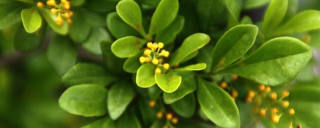
To create my perfect home, combine two parts of a high-quality potting mix with one part perlite and one part orchid bark. Mix these ingredients thoroughly in a large container before potting me up. When you plant me, ensure the pot has ample drainage holes. After watering, you should see water running freely out of the bottom of the pot within a few seconds. This is the sign of a mix that will keep my roots healthy, allowing me to focus my energy on producing my wonderfully fragrant, yellow blooms for you to enjoy.