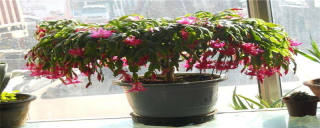
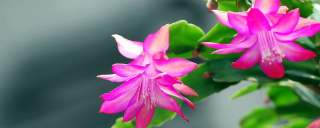
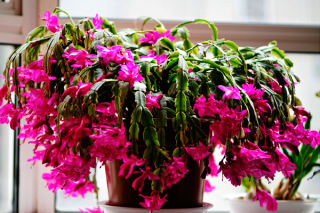
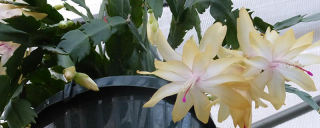
To understand whether a Christmas Cactus (Schlumbergera bridgesii) can go outside in summer, we must first consider its origins. This plant is not a desert cactus but an epiphytic cactus, native to the humid, shaded rainforests of coastal Brazil. In the wild, it grows attached to trees, absorbing moisture and nutrients from the air and decaying organic matter. Consequently, its environmental preferences are distinct from typical cacti. It thrives in bright, indirect light, high humidity, and well-draining, slightly acidic soil. The key to a successful summer outdoors is replicating these sheltered, dappled-light conditions as closely as possible.
Moving your Christmas cactus outside for the summer can be highly beneficial for the plant, provided it is done correctly. The primary advantage is the increase in light intensity and quality. The bright, filtered light available under a tree or porch is ideal for promoting robust growth and, crucially, for initiating the bud set for its winter blooms. The plant uses the longer days and specific light quality of summer to store energy. Furthermore, the natural airflow outdoors helps strengthen the plant's stems and can reduce the risk of pest infestations, such as fungus gnats, which are more common in stagnant indoor air. The slight temperature fluctuations between day and night also mimic its natural cycle, contributing to overall plant health.
The transition from a stable indoor environment to the variable outdoors must be gradual to avoid shock. A sudden change can scorch the leaves and severely stress the plant. The process, known as hardening off, should take 7-10 days. Begin by placing the plant in a fully shaded, sheltered spot for just a few hours each day, gradually increasing the duration of its outdoor time. After this period, you can leave it in its permanent summer location. It is vital to ensure this final spot is completely protected from direct, intense afternoon sun, which will quickly burn the fleshy, moisture-filled segments of the plant, causing them to turn yellow or white.
Once acclimated, the Christmas cactus requires specific conditions to thrive outdoors. The perfect location offers dappled sunlight or bright shade, such as under a dense tree canopy, on a north-facing porch, or on an east-facing patio that receives only gentle morning sun. The plant should be protected from strong winds that can tear its segments and from heavy downpours that can waterlog the soil. While it appreciates summer rain, consistent saturation will lead to root rot. It is also essential to monitor watering closely; outdoor plants in warm, breezy conditions will dry out faster than their indoor counterparts, but the rule of "soak and dry" still applies—water thoroughly only when the top inch of soil feels dry.
The outdoor period is temporary and must end before the arrival of cool autumn temperatures. Christmas cacti are sensitive to frost and will suffer damage if exposed to temperatures near or below 40°F (4°C). The plant should be brought back inside when nighttime temperatures consistently drop into the 50s°F (10-15°C). This timing is also critical for its flowering cycle. The combination of cooler temperatures and longer nights that autumn brings is the primary trigger for bud formation. Before bringing the plant inside, inspect it thoroughly for pests like aphids or mealybugs and treat if necessary to prevent introducing them to your other houseplants.