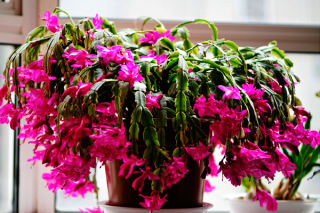
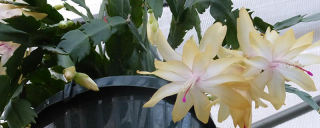
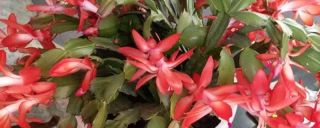
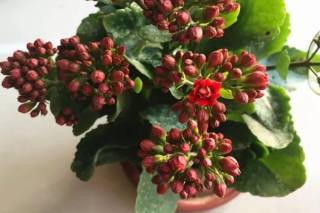
As a Christmas Cactus, my relationship with humidity is a delicate dance, a legacy of my ancestral home in the shady, tropical rainforests of Brazil. I am not a true cactus of the desert; I am an epiphyte, meaning I naturally grow on trees in the high branches where the air is moist and breezy. Understanding my need for humidity is key to helping me thrive and produce the vibrant blooms you so admire during the holiday season.
For me and my kind, the sweet spot for humidity lies between 50% and 60%. This level mimics the moist, yet well-ventilated, air of my native habitat. In this range, my segmented, fleshy stems remain plump and healthy, and my flower buds develop without stress. When the air is this comfortably humid, I can efficiently absorb moisture through my stems, supplementing what my roots take in. It’s a perfect balance that allows me to photosynthesize effectively and store just the right amount of water.
When the humidity drops significantly below 50%, especially in modern homes with forced-air heating or air conditioning, I begin to suffer. The dry air acts like a sponge, pulling moisture directly from my tissues. You will see my distress signals clearly: the tips of my cladodes (those flat stem segments you call leaves) may turn red or purple, become dry and crispy, or start to shrivel. This is a sign of stress. Even more critically, low humidity is a primary reason for my flower buds dropping off before they ever get a chance to open—a phenomenon known as bud blast. The plant simply cannot support the energy-intensive blooming process when it is struggling to conserve water.
While I crave moisture in the air, I am terribly susceptible to problems if the humidity is too high for too long, particularly if the air is stagnant. Consistently high humidity above 70%, combined with poor air circulation, creates a breeding ground for fungal diseases like botrytis (gray mold) and root rot. My stems may become soft, mushy, and discolored. Furthermore, excessive humidity can prevent my soil from drying out adequately between waterings, creating a double threat of soggy roots and fungal attacks on my above-ground parts. Good airflow is my ally, helping to keep these issues at bay.
You don't need to turn your home into a steam room to make me happy. There are several simple and effective ways to provide the humidity I need. Placing my pot on a pebble tray is an excellent method. Fill a shallow tray with pebbles and water, and set my pot on top, ensuring the pot's base is never sitting directly in the water. As the water evaporates, it creates a perfect humid halo around me. Alternatively, grouping me with other houseplants is beneficial. We collectively release moisture through transpiration, raising the humidity level for the entire group. For a more immediate solution, especially during very dry winter days, occasionally misting my stems with room-temperature water can provide relief. However, misting should be done in the morning so I dry before evening, and it is not a substitute for more consistent methods like the pebble tray. In extremely dry environments, a small room humidifier placed nearby is the most reliable way to maintain my ideal atmospheric conditions.