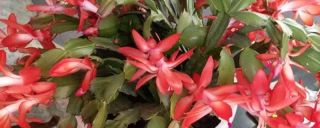
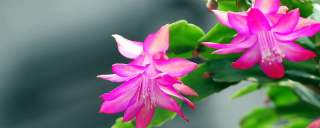
From my perspective as a Christmas Cactus (Schlumbergera), I must confess that I don't experience pruning the way you might think. I don't feel pain, but I do respond to injury with a surge of growth hormones. My natural structure is to grow in segments, called cladodes or phylloclades, which chain together. Left to my own devices, I can become long, leggy, and a bit sparse. This isn't necessarily bad for me in the wild, but in your home, it might not look as full as you'd like. Pruning is essentially a controlled injury that signals me to redirect my energy. When you remove a segment, you're removing a dominant growth point (an apical meristem). This encourages the dormant buds (areoles) at the base of the remaining segments to wake up and produce new branches. Instead of one long chain, I'll produce two or three from the point of the cut, creating that denser, bushier appearance you desire.
Timing is crucial for my well-being. The best period to prune me is after I have finished blooming but before I begin my major summer growth spurt. This is typically in late spring or early summer. Pruning at this time gives me the entire active growing season to recover and produce the new growth you're aiming for. It's important to avoid pruning me in the fall or winter. During this time, I am either preparing to bloom or am in bloom, and the stress of pruning can cause me to drop my flower buds. Furthermore, my growth rate slows significantly in the cooler, darker months, so I would not be able to recover and branch out effectively. Pruning after flowering feels like a natural reset, allowing me to channel the energy I would have used on maintaining old growth into creating vibrant new segments.
You don't need heavy-duty tools for this task. In fact, your fingers are often the best instruments. The goal is to remove one or two segments from the end of a stem. To do this correctly, locate a segment joint—the narrow, slightly softer connection point between two segments. Gently hold the base segment with one hand, and with the other, give the segment you wish to remove a slight twist. It should snap off cleanly at the joint. This method is preferable to cutting with scissors, as it creates a cleaner break that I can heal from more easily. If a stem is particularly thick or woody, you may use a clean, sharp knife or pruning shears, but the pinch-and-twist method is my preferred way. Always ensure your tools are clean to prevent introducing any pathogens to my system.
To achieve a truly fuller shape, you need to be strategic. Don't just prune the longest stems; consider my overall form. Look for stems that are disproportionately long, as well as any segments that are damaged, discolored, or diseased—these should be your first priority. To encourage branching from the base and prevent me from becoming top-heavy, you can also prune some stems back more significantly, leaving just a few segments at the base. Aim to prune about a quarter to a third of the plant overall. This might seem drastic, but it will result in a much more balanced and robust structure. After pruning, you can even propagate the healthy segments you removed by letting the cut end callous for a day and then planting it in a moist potting mix. Soon, you'll have new, young plants that are naturally bushy from the start.
After you've pruned me, I will need the right conditions to put my energy into new growth. Place me in a spot with bright, indirect light. Direct hot sun can scorch my segments, especially when I'm in a recovery phase. Water me thoroughly when the top inch of soil feels dry, but be careful not to overwater. My roots are fine and susceptible to rot if they sit in soggy soil. Most importantly, about a month after pruning, you can begin feeding me. A balanced, water-soluble fertilizer (such as a 10-10-10 or 20-20-20 formula) diluted to half-strength will provide the nutrients I need to support all the new branching. This care, combined with the strategic pruning, will help me become the lush, full plant you envision.