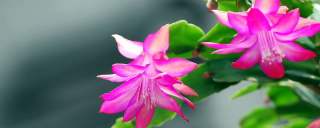
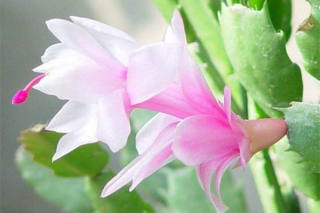
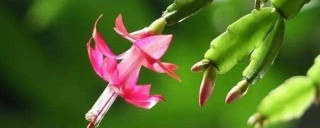
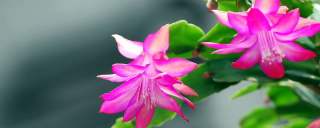
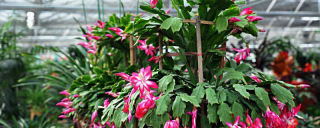
To determine the ideal location for a Christmas Cactus (Schlumbergera bridgesii), we must first understand its origins. Unlike desert cacti, this plant is an epiphyte, meaning it naturally grows on trees in the shaded, humid rainforests of coastal Brazil. It thrives not in soil, but in the decomposing organic matter found in the crevices of tree branches. This origin story is the single most important factor in answering the placement question. The plant has evolved to prefer dappled sunlight, consistent moisture (but with excellent drainage), and protection from harsh environmental elements like intense sun, wind, and freezing temperatures. Therefore, its placement must mimic these conditions as closely as possible.
For the vast majority of gardeners, especially those in temperate climates with distinct seasons, keeping a Christmas Cactus indoors is the most reliable and recommended option. The indoor environment provides the stable, controlled conditions the plant craves. Light is a primary consideration. Indoors, the plant can be placed near an east or north-facing window where it will receive plenty of bright, indirect light. This protects its leaves from the scorching direct sun of a south or west window, which can cause yellowing (bleaching) and scorched spots. Temperature control is another significant advantage. Christmas Cacti prefer temperatures between 60-70°F (15-21°C). Indoor settings easily maintain this range, avoiding the extremes that occur outdoors.
Furthermore, the plant's critical blooming cycle is heavily influenced by its environment. To initiate flower buds, the Christmas cactus requires longer periods of uninterrupted darkness (about 12-14 hours) and cooler nighttime temperatures in the fall. An indoor setting allows a gardener to easily manage this by moving the plant to a room that isn't used at night or ensuring it is not exposed to artificial light after sunset. Outdoors, streetlights or porch lights can disrupt this vital dark period, preventing the plant from flowering.
While an indoor home is best for most of the year, a Christmas Cactus can benefit from a summer vacation outdoors, but only under very specific conditions. This should only be considered once the danger of frost has passed and nighttime temperatures are consistently above 50°F (10°C). The outdoor location must be carefully chosen to replicate its native habitat. An ideal spot is a shaded patio, under a dense tree, or on a north-facing porch where it will be protected from direct afternoon sun. The dappled light under a tree is perfect.
Being outdoors can invigorate the plant, leading to stronger growth as it benefits from natural air circulation and humidity. However, vigilance is key. The plant must be monitored for pests like slugs or aphids. Watering needs will increase due to wind and warmer temperatures, but the pot must still have excellent drainage to prevent root rot during summer rains. As autumn approaches and nighttime temperatures begin to drop into the 50s°F (10-15°C), it is absolutely essential to bring the plant back indoors well before the first frost. Even a brief exposure to temperatures below 50°F (10°C) can damage the plant, and frost will be fatal.
From the plant's point of view, the question of inside versus outside is not a matter of preference but one of survival and reproductive success (flowering). The Christmas Cactus is a tropical plant, not a hardy perennial. Its physiology is not equipped to handle the stressors of a full outdoor life in non-tropical climates. The risks of excessive sun, temperature extremes, drying winds, and frost far outweigh the benefits. Therefore, the plant's needs are best met by a permanent indoor location that provides bright, indirect light, stable temperatures, and controlled light cycles for blooming. A seasonal move outdoors can be a beneficial treat, but it is a temporary relocation requiring careful management, not a permanent solution.