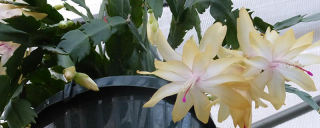
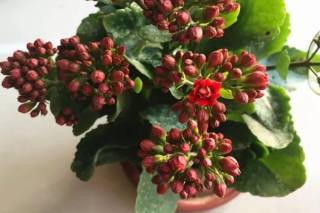
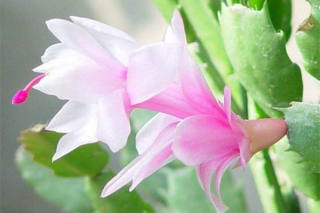
From my perspective as a plant, the blooming period is the most energetically demanding phase of my annual cycle. Producing those vibrant flowers requires a massive expenditure of stored sugars and nutrients. Once the last flower wilts, I enter a critical recovery period. I am essentially in a state of exhaustion. My immediate needs shift from spectacular reproduction to fundamental restoration. This is not a time of dormancy in the sense of being completely inactive; rather, it is a period of redirected energy. My systems focus on rebuilding carbohydrate reserves in my stem segments (the flattened, leaf-like pads) and strengthening my root system to support future growth and, ultimately, the next bloom cycle. How you, my caretaker, manage this period directly influences my health and my ability to flower again.
The most important thing you can do for me after I finish flowering is to allow me to rest. This begins with a significant reduction in watering. While I was blooming, I likely needed consistent moisture to support the flowers. Now, that demand has plummeted. Please let the top few inches of my soil dry out completely between waterings. Overwatering now is extremely dangerous; my roots, already stressed from the bloom effort, are highly susceptible to rot in soggy soil. This period of rest after flowering typically lasts for about four to six weeks. You might notice that I show little to no new growth during this time—this is perfectly normal and desired. I am conserving energy, not stagnating.
Once the rest period is concluding, gentle pruning is immensely beneficial. You can remove the spent flower blossoms by pinching them off at their base. More importantly, this is an ideal time to shape my form and encourage bushier growth in the coming season. By twisting off one or two segments from the end of each stem, you stimulate me to produce new branches from the pinched points. From my viewpoint, this pruning is a signal to redirect growth hormones (auxins) from a single tip to multiple new points, creating a fuller, more robust plant. Always ensure you are using clean, sharp tools or a gentle twisting motion to avoid crushing my segments and introducing disease.
After my post-bloom rest, I am ready to begin a vigorous growth phase, typically from late spring through summer. This is when I will produce all new stem segments. To support this, I need a change in my environment. Move me to a location with bright, indirect light. A spot with some morning sun but protection from harsh afternoon rays is perfect. This is also the time to resume a regular watering schedule, hydrating me thoroughly whenever the top inch of soil feels dry. Furthermore, begin feeding me with a balanced, water-soluble fertilizer diluted to half-strength every two to four weeks. This nutritional support is crucial for fueling the production of new, healthy pads where next year's flower buds will eventually form.
My ability to bloom again is not governed by the calendar but by environmental cues, primarily photoperiod (day length) and temperature. As autumn approaches, I require longer periods of uninterrupted darkness to initiate bud formation. Starting in early fall, I need about 12-14 hours of complete darkness each night for approximately six to eight weeks. Even brief exposure to artificial light at night can disrupt this process. A cool room with temperatures between 50-60°F (10-15°C) during this period further enhances bud set. Once you see small buds forming at the tips of my segments, you can return me to a normal light location for enjoying the floral display. This careful management of light and temperature after my growth period is the final, essential step in ensuring I can perform my most spectacular trick for you again.