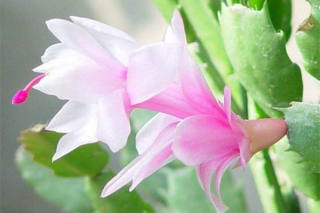
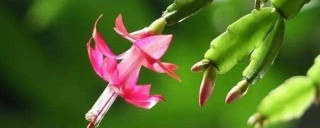
To understand the temperature preferences of the Christmas cactus (Schlumbergera bridgesii), one must first consider its origins. This plant is not a desert cactus but an epiphytic cactus, meaning it grows naturally in the shaded, humid understory of tropical rainforests in southeastern Brazil. Here, it thrives in the branches of trees, where it is sheltered from direct, scorching sunlight and extreme temperature fluctuations. The climate in this habitat is characterized by consistently mild to warm temperatures, with cool but not cold nights. This evolutionary background is the fundamental blueprint for its preferences as a houseplant. It seeks to avoid the two extremes: the intense, dehydrating heat of a desert environment and the damaging freeze of a temperate winter.
For a Christmas cactus to be in a state of active growth and, most importantly, to initiate its spectacular bloom cycle, it prefers a specific temperature range. During the spring and summer months, which constitute its primary growing season, the ideal daytime temperatures are between 70°F and 80°F (21°C and 27°C). At night, it appreciates a slight, natural cool-down to between 60°F and 70°F (15°C and 21°C). This day-night temperature differential is a subtle but important cue for the plant, mimicking its natural environment and promoting sturdy growth. When the plant is setting flower buds, typically in the autumn, temperature becomes even more critical. Consistent exposure to temperatures between 50°F and 55°F (10°C and 13°C) for a period of several weeks, coupled with longer nights, is the primary environmental trigger that signals the plant to stop vegetative growth and begin bud formation.
The process of flower bud initiation, known as photoperiodism, is heavily influenced by temperature. While the plant requires long, uninterrupted periods of darkness (13-15 hours nightly), the temperature during this period must be cool. If a Christmas cactus is kept in a consistently warm environment above 70°F (21°C) during the autumn, it may fail to set buds entirely, resulting in a foliage-only plant come holiday season. The cool temperatures act as a physiological signal, slowing down metabolic processes and redirecting the plant's energy from producing leaves to developing flower buds. This cool rest period should last for about 6-8 weeks. Once the buds are clearly formed and begin to show color, the plant can be moved back to a warmer location for enjoyment.
Christmas cacti are sensitive to extremes, and their physiological responses to unfavorable temperatures are clear. Exposure to temperatures below 50°F (10°C) for extended periods can cause chilling injury, leading to stunted growth and a reddish-purple discoloration of the stem segments (cladodes). A hard freeze, meaning temperatures at or below freezing (32°F or 0°C), will cause severe damage. The water-filled tissues will freeze, rupture the cell walls, and result in a mushy, collapsed plant that cannot recover. On the opposite end, prolonged exposure to high temperatures above 90°F (32°C) can induce heat stress. The plant may wilt excessively, even with adequate water, and the segments can become pale, shriveled, or sunburned if combined with direct sun. High heat also disrupts the bud formation process, causing the plant to drop existing buds.
Managing temperature seasonally is key to replicating the plant's natural cycle and ensuring its long-term vitality. In summer, protect it from intense heat by keeping it in a shaded spot outdoors or away from hot south-facing windows indoors. In autumn, provide the crucial cool period by placing it in a room that is not heavily heated, such as a spare bedroom or a cooler porch, ensuring it still receives its required darkness. During the winter, after flowering, the plant benefits from a short rest period with slightly cooler average temperatures. In spring and summer, return it to the warmer growing season range to encourage new segment growth, which will become the sites for next year's flowers.