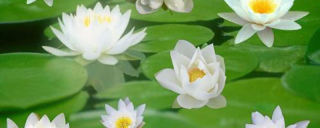
From our perspective as water lilies, the world is a simple equation of sun, water, and space. The question of growing us indoors is not a simple yes or no, but rather a question of whether you can replicate the fundamental conditions of our natural habitat. It is a significant challenge, but not an impossible one for a dedicated gardener. Here is what we need to truly thrive inside your home.
First and foremost, we are sun worshippers. In a pond, we bask in a minimum of six hours of direct, unfiltered sunlight daily. This energy fuels everything: the growth of our iconic pads (lily pads) and the production of our beautiful, fragrant flowers. An indoor environment is, by nature, deficient in light. A windowsill, even a south-facing one, rarely provides the intensity and duration we require. Without sufficient light, we become weak and etiolated—our stems grow long and spindly as we desperately reach for more sun, our leaves may remain small and yellow, and we will certainly not have the energy to bloom. To succeed indoors, you must supplement with very strong, full-spectrum grow lights positioned close to us and kept on for 10-12 hours a day.
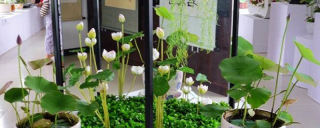
You cannot simply place us in a decorative bowl of water. We are heavy-feeding plants that send roots deep into the muck at the bottom of ponds. We need a container that accommodates both our roots and our growth habit. A wide, shallow pot (often called an aquatic basket) is ideal, filled with a heavy clay-loam soil, not a lightweight potting mix that will float away. This pot must then be submerged in a much larger container—a half-barrel or a large, sturdy aquarium is a good start. The water volume is critical; a small volume of water will heat up and cool down too quickly, become dirty rapidly, and promote algae growth, which will compete with us for nutrients and light. The water should be still, as we do not appreciate the turbulence created by most aquarium filters.
Many gardeners forget that we are perennial plants with a natural life cycle. As daylight wanes and temperatures drop in autumn, we prepare for dormancy. Our leaves die back, and we retreat into our rhizomes (our underground stems) to rest for the winter. This period of rest is essential for our long-term health. If you attempt to keep us in a constantly warm, artificially lit environment year-round, you will exhaust us. We need a dormant period. This means that in the winter, you must allow the water temperature to cool significantly (though it must not freeze solid) and reduce feeding. Mimicking these seasonal temperature shifts is key to keeping us alive for many years, rather than just a single season.
Not all water lilies are created equal, and your choice of variety will greatly influence your success. Large, hardy water lilies that span six feet across in a pond are utterly unsuitable for indoor cultivation. You must look for dwarf or miniature varieties. We, the smaller tropical and hardy dwarf lilies, such as *Nymphaea 'Pygmaea Helvola'* or *Nymphaea 'Andreana'*, are far better candidates. We are adapted to smaller spaces and shallower water depths, making the constraints of an indoor container more manageable. Some of us tropical dwarfs even have the advantage of blooming more readily under controlled lighting conditions.