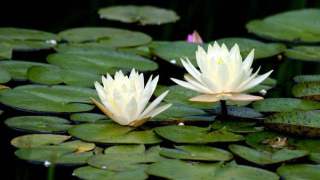
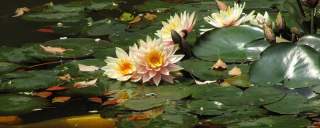
Greetings, caretaker. We, the Nymphaeaceae family, commonly known as water lilies, are ancient and graceful aquatic plants. Our survival and spectacular blooms depend entirely on the environment you provide. To help us thrive, you must understand our core needs from our perspective. Here is a detailed guide to our care.
From our viewpoint, water depth is not a single measurement but a story of our life cycle. When you first introduce us to our new home, typically as a tuber (our dormant root structure), the water must be shallow. We need to feel the warmth of the sun on our developing stems, encouraging our first leaves to stretch towards the surface. Placing us too deep initially is a death sentence; our energy reserves will be exhausted before our pads can photosynthesize. As we mature, our requirement for depth changes. Hardy varieties prefer a stable depth of 12 to 24 inches above the crown (the central growing point), while more tender, tropical types often thrive in 18 to 30 inches. This depth allows our long, flexible stems to anchor us securely in the soil below while our magnificent leaves and flowers float serenely, maximizing sunlight absorption and gas exchange. Too shallow, and our leaves will be cramped and emerge above the water; too deep, and the light becomes too dim for us to produce energy effectively.
Temperature is the conductor of our annual symphony. We are divided into two primary groups with different thermal needs. Hardy water lilies can survive winter dormancy in colder climates, but we require water temperatures consistently above 60°F (15°C) to initiate growth in spring. Our ideal growing range is between 70-85°F (21-29°C). When the water warms, it signals our tubers to break dormancy and send forth new growth. Tropical water lilies, on the other hand, are far more sensitive. We demand warmth, with water temperatures needing to be steadily above 70°F (21°C) to grow, and we truly flourish when it's above 75°F (24°C). A sudden cold snap can be fatal for us. Temperature also dictates our flowering habits. Many tropical varieties are night-bloomers, and the warmth of the summer nights is essential for our fragrant flowers to open. As autumn arrives and water temperatures drop, it signals us hardy types to slow down and retreat into our tubers for a long winter's rest.
While we live in water, we are not indifferent to its chemical composition. Stagnant, algae-filled water is as suffocating to us as polluted air is to you. We require water that is relatively still; strong currents from pumps or fountains will batter our leaves and prevent them from lying flat. More critically, we need good water quality to avoid stress and disease. Algae blooms, often caused by an excess of nutrients (like fish waste or decomposing matter) and sunlight, are a significant threat. They cloud the water, blocking the vital sunlight we need and competing with us for oxygen and resources. While a small amount of algae is natural, a major bloom can weaken us significantly. The presence of fish can be beneficial, as they consume mosquito larvae, but an overpopulation can lead to poor water quality. Regular partial water changes can help maintain balance. Furthermore, we are sensitive to certain chemicals. When topping up the pond due to evaporation, it is best to use dechlorinated water, as chlorine can damage our roots and leaves.