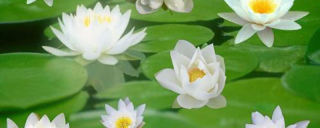
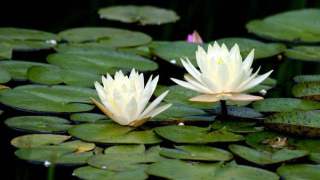
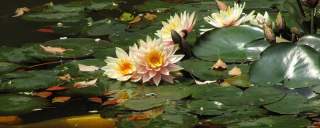
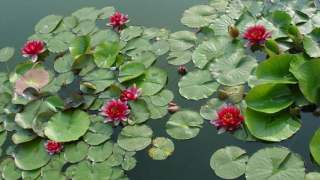
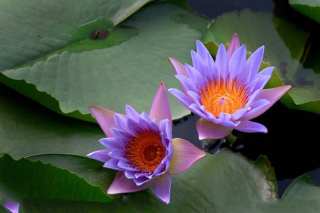
From our perspective, the container is our entire world. The most critical part of our body is the rhizome, a thick, tuber-like stem that grows horizontally along the mud. This rhizome is not just an anchor; it is our larder and our command center. It stores the energy we produce through our leaves to fuel new growth, flowers, and survival through dormant periods. A container that is too small cramps the rhizome, preventing it from developing properly and storing sufficient energy. This leads to stunted growth, fewer leaves, and a lack of flowers. We need enough horizontal space to spread out comfortably. A cramped rhizome is a stressed and undernourished one, and we cannot thrive under such conditions.
While our showy leaves and flowers float on the surface, our survival depends on a healthy root system growing down from the rhizome into the soil. These fine, fibrous roots are responsible for absorbing essential nutrients and water. A sufficiently deep and wide container allows this root system to establish a strong, extensive network. A shallow pot restricts root growth, limiting our ability to "feed" ourselves. This nutrient deficiency will quickly manifest as yellowing leaves and poor overall vitality. Furthermore, a robust root system helps stabilize the rhizome, especially in larger varieties that can become top-heavy as they grow.
Our leaves are our solar panels. Each leaf pad that reaches the surface converts sunlight into the energy that sustains us. The size of the container directly influences how many leaves we can support. A larger container allows for more leaves, which in turn generates more energy. This surplus energy is what we invest in our ultimate goal: reproduction through flowering. A small container forces us to be frugal with energy, prioritizing mere survival over blooming. For us to produce the large, vibrant flowers we are known for, we need the generous energy budget that only a spacious container can facilitate. More leaves also mean better shading of the water, which helps suppress algae growth that would compete with us for nutrients.
Not all water lilies are the same, and our container needs vary significantly by type. It is crucial to match the container to our genetic predisposition. Dwarf or small varieties, such as those in the *Pygmaea* group, are naturally compact. We are content in smaller containers, perhaps as modest as 5-10 litres, with a surface area of around 0.2 square meters. Our leaves spread only 30-60 cm. However, large, vigorous varieties, like many of the *Hardy* or *Tropical* types, have a completely different scale. We need substantial space to reach our full potential. For us, a container holding 20-40 litres or more, with a surface area of at least 0.5 to 1 square meter, is necessary. Our leaf spreads can easily exceed 1-1.5 meters, and we require a correspondingly large root run to support such expansive foliage and prolific flowering.
We are perennial plants, meaning we intend to inhabit the same space for many years. A container that is too small will require frequent division and repotting, perhaps every year or two. This process is highly disruptive. It damages our roots and rhizomes, shocks our system, and sets back our growth significantly. Choosing a container that accommodates our mature size from the outset, or at least for 3-5 years, provides long-term stability. This allows us to establish a strong, mature colony, leading to more consistent and impressive displays each season. A larger volume of soil also provides a more stable and consistent reservoir of nutrients, buffering us against depletion and reducing the frequency of fertilization needed.