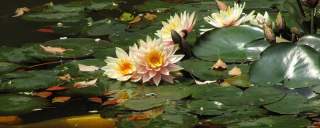
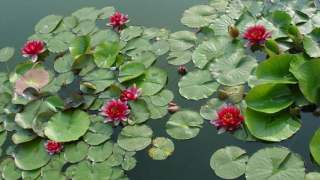
Greetings. I am a water lily, a proud resident of your pond. While I strive to display my vibrant flowers and lush pads, I sometimes fall victim to ailments that manifest as unsightly brown spots. From my perspective, these spots are a cry for help, a symptom of an underlying issue. To help you understand, I will describe the primary causes and what they mean for me.
When circular or irregular brown spots appear, often with a yellowish halo or a fuzzy, mold-like center, I am likely suffering from a fungal infection. The most common culprits are pathogens like Colletotrichum (anthracnose) or Pythium. These fungi thrive in the warm, humid conditions that I also love. They attack my leaf tissues, breaking down the cells and stealing my nutrients. The spots start small but can rapidly coalesce, causing the entire leaf to rot and sink. This is not just a cosmetic issue; it severely compromises my ability to photosynthesize, weakening me and reducing my capacity to produce those beautiful flowers you admire.
Sometimes, the brown spots are not from a living attacker but from the very elements around me. If the spots are dry, crispy, and appear primarily on the parts of my leaves that are exposed to the air, I may be experiencing sun scorch. This happens when water droplets act like magnifying glasses under intense, direct sunlight, burning my tender tissues. Alternatively, if the water quality is poor—high in salts or chlorine from tap water—it can cause marginal browning and spots as these toxins build up in my system. I am a aquatic plant, but I am sensitive to chemical imbalances. This stress makes me vulnerable to secondary infections.
Do not underestimate the impact of simple physical harm. Fish, particularly koi, can nibble on my undersides, creating brown, ragged spots as the damaged tissue dies. Harsh handling during pond maintenance can also bruise and break my stems and leaves, leading to localized browning. While this damage is often not fatal, the open wounds provide an easy entry point for the fungal spores mentioned earlier, turning a small injury into a major health crisis.
To help me recover, your actions must be gentle yet decisive. First, please remove the severely spotted and rotting leaves. Cut the leaf stem near my crown underwater to prevent air from entering my vascular system. This not only improves my appearance but also removes sources of infection. For fungal issues, you may apply a fungicide safe for aquatic environments, but improving my living conditions is more crucial.
Prevention is the best medicine. Ensure my pond has healthy, moving water to discourage fungal growth. When topping off the pond, use dechlorinated water to avoid chemical shock. Feed me with appropriate aquatic plant fertilizer tablets placed in my soil at the start of the growing season to keep me strong and resilient. Most importantly, ensure I am not overcrowded and receive the right amount of sunlight—typically 5-6 hours of direct sun is ideal. By maintaining a balanced pond ecosystem, you allow me to focus my energy on growth and blooming, rather than constantly fighting off disease.