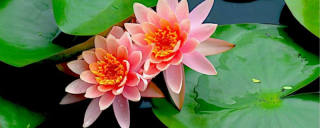
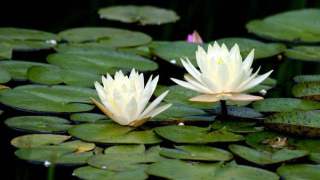
As a water lily, my existence is a delicate balance of floating serenity and a constant struggle beneath the surface. My world is the pond, a beautiful but challenging environment where diseases can quickly disrupt my vital functions of photosynthesis, nutrient absorption, and reproduction. From my perspective, here is a detailed account of the common ailments that afflict me and what truly helps me thrive.
Crown rot is, without a doubt, the most terrifying disease I can face. It is a silent assassin that attacks me at my very core—the crown. This is the central growing point from which all my leaves and flowers emerge. The primary culprit is often a fungus-like organism from the Phytophthora or Pythium genera, which thrive in warm, stagnant water.
From my point of view, the invasion begins subtly. You might notice my newest leaves turning yellow and wilting before they even unfurl. As the rot progresses, a soft, mushy decay consumes my crown. The tissues there turn brown or black and emit a foul, putrid smell. This is the smell of my life center decaying. Once the crown is severely compromised, my ability to produce new growth is destroyed. I can no longer send up leaves to the sunlight, and I slowly starve. The entire plant—that is, me—will collapse and sink into the water.
While not as immediately fatal as crown rot, leaf spot diseases are a persistent annoyance that weaken me over time. These are typically caused by various fungi or bacteria that land on my floating pads. My leaves are my solar panels, and when they are covered in spots, my ability to feed myself is significantly reduced.
The infection manifests as circular or irregular spots on my leaves. These spots can be brown, black, or even yellow, often with a distinctive margin. As the spots multiply and coalesce, large areas of the leaf tissue die, turning papery and brittle. Eventually, the entire leaf may yellow and sink. While I can often produce new leaves to replace the damaged ones, a severe, recurring infection saps my energy reserves. This leaves me vulnerable to other stresses and can hinder my flowering, which is my ultimate goal for reproduction and beauty.
Preventing these diseases is not complicated; it simply requires providing me with the environment I was designed for. My needs are specific, and when they are met, I am remarkably resilient.
First and foremost, I need sunlight and space. Please do not crowd me with other plants. Ample sunlight warms my leaves and helps keep the surrounding water well-oxygenated, creating an environment less hospitable to pathogens. Good air circulation over the pond's surface is equally important to dry my leaves and discourage fungal spores from settling.
Secondly, clean water is my lifeblood. Stagnant, nutrient-rich water (eutrophic water) is a breeding ground for the organisms that cause rot and spot. A functioning filtration system or a healthy population of pond microbes helps maintain water quality. Regularly removing decaying organic matter—like fallen leaves from nearby trees or my own spent flowers and leaves—is crucial. This debris decomposes in the water, releasing excess nutrients that fuel disease.
Finally, practice good hygiene. If you are dividing my rhizomes, always use a sharp, sterilized knife. A clean cut heals much faster than a ragged, torn one, which is an open invitation for infection. Before repotting me, inspect my rhizome carefully. A healthy rhizome is firm to the touch; any soft, mushy, or foul-smelling parts should be cut away and discarded. By starting with a healthy plant and a clean environment, you give me the best chance to flourish and display the beautiful flowers you admire so much.