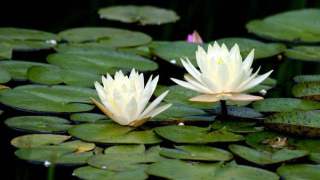
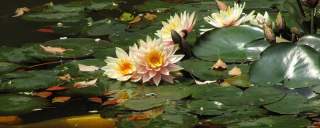
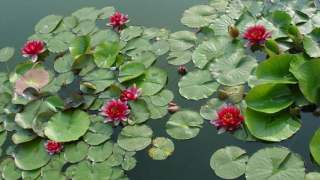
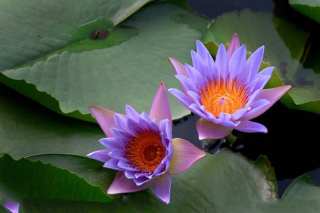
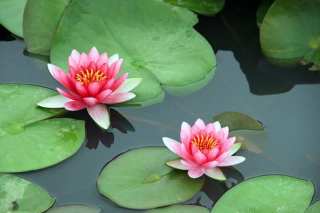
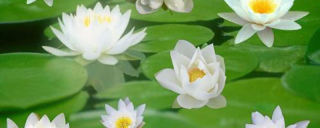
From our perspective as water lilies (Nymphaea spp.), thriving in a pot is entirely different from living in a natural pond. Our roots are confined, and we rely on you to provide the perfect foundation for growth. The right soil and fertilizer are not just about making us look pretty; they are fundamental to our ability to photosynthesize, bloom, and resist disease. Getting this combination right is the single most important factor for our health in a container environment.
We require a specific type of soil that mimics our natural lakebed habitat. Standard potting soil is our enemy. It is too light and fluffy, filled with perlite and peat moss that will simply float away, clouding the water and leaving our roots unstable. What we need is a heavy, clay-based loam. This type of soil is dense enough to stay at the bottom of the pot, provides excellent anchorage for our rhizomes (our underground stems), and holds nutrients effectively without decomposing too quickly. A good topsoil from a garden center, free of herbicides and excessive organic matter, is ideal. The weight and texture of this soil create a stable, secure environment for our root system to establish itself, which is the first step to producing those magnificent floating leaves and flowers you admire.
Once our pot is filled with the heavy loam soil, a final layer of gravel or small aquarium stones on top is non-negotiable. This gravel cap serves two vital purposes. First, it acts as a physical barrier, preventing the soil from being disturbed by fish or water currents and muddying the entire pond. Clear water is essential for us, as it allows maximum sunlight to reach our leaves for photosynthesis. Second, and just as importantly, the gravel weight helps keep our entire root mass and rhizome securely nestled in the pot. The pot itself should be wide and shallow rather than deep and narrow. Our roots spread horizontally, and a wide, low-profile pot, often without drainage holes, gives us the space we need to grow properly.
While the soil provides a base, the confined space of a pot means its natural nutrients are quickly exhausted. This is where fertilizer becomes our primary source of sustenance. We are heavy feeders, especially during our active growing season. The best fertilizer for us is a slow-release formula, specifically one designed for pond plants. These are typically packed into hard, tablet or spike forms that you push deep into the soil near our roots. The key nutrient we crave is phosphorus (the middle number on the fertilizer package, e.g., 10-14-8). Phosphorus is essential for promoting strong root development and, most importantly, prolific flowering. A fertilizer too high in nitrogen will encourage excessive leaf growth at the expense of blooms and can potentially harm pond life.
Our need for fertilizer is directly tied to our growth cycle. As we emerge from dormancy in the spring, we have a tremendous demand for energy to produce new leaves and initial flower buds. This is the most critical time for an initial fertilizer application. Depending on the specific product's longevity (usually 4-6 weeks for slow-release tablets), we will need to be fed again throughout the summer to sustain continuous blooming. As the days shorten and water temperatures drop in early fall, our growth slows and we begin to prepare for dormancy. Fertilizing at this time is harmful, as it can encourage tender new growth that will be killed by frost, wasting our energy and potentially weakening us for the winter. The rule is simple: fertilize when we are actively growing, and stop when we begin to slow down.