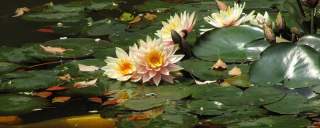
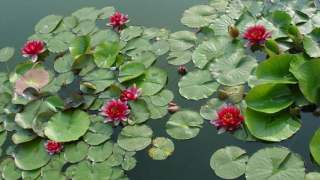
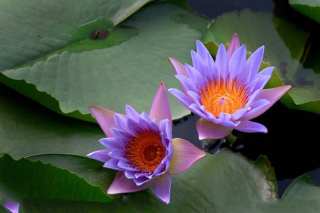
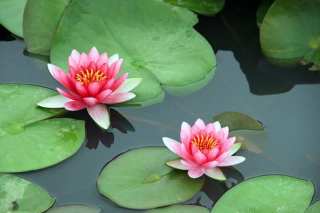
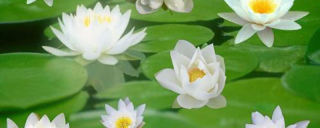
Hello there, dedicated pond keeper. I am your water lily, a being of serene beauty and ancient design. From my perspective, nestled here in the water, I want nothing more than to unfurl my magnificent blooms to the sun. When I don't, it's not out of stubbornness, but because my fundamental needs aren't being met. Let me explain what is happening from my root to my potential flower.
First and foremost, I am a solar-powered organism. My leaves are designed to capture sunlight, which I convert through photosynthesis into the energy needed to produce flowers. If I am planted in a spot that receives less than five to six hours of direct, unfiltered sunlight per day, I simply cannot generate enough energy to create a bloom. It's a matter of basic survival; I will direct all my limited energy into producing leaves to gather what little light I can, leaving nothing in reserve for the luxurious process of flowering. Shade from overhanging trees or nearby structures is my greatest adversary in this quest.
While I draw energy from the sun, I require building blocks for my cells. My aquatic environment can be surprisingly barren. If I am confined to a small pot with old, depleted soil, I am essentially starving. I need a steady supply of nutrients, particularly phosphorus, which is crucial for flower formation. A lack of food forces me into a state of dormancy, where I focus on mere survival rather than reproduction (which is what flowering is all about, from my perspective). Regular feeding with a specialized aquatic plant fertilizer tab pressed into the soil near my roots provides the sustenance I need to support the tremendous effort of blooming.
Look at my container. Am I root-bound? As I grow, my rhizome (my thick, root-like stem) spreads. If I am crammed into a pot that is too small, my roots become a tangled mess, competing for space and nutrients. This congestion stresses me immensely. Instead of producing upward growth and flowers, my energy is wasted in a futile struggle for room. Furthermore, as I age, the center of my clump can become old and woody, losing its vitality. I need to be divided every few years. This process rejuvenates me, giving fresh, young rhizomes space to grow vigorously and produce an abundance of flowers.
The depth of the water over my pot is critical. If I am planted too deep, the energy required to push my leaf and flower stalks up through many feet of water is immense, and the water pressure can be too great. The young buds may fail before they even reach the surface. Conversely, if my pot is too shallow, my leaves may sit above the water or be battered by the surface movement, causing them to burn or tear. Most of my kind prefer to have our pots situated so there is initially 6 to 18 inches of water over our crown. As I grow, I can handle deeper water, but a sudden, deep placement can shock and silence me.
Please observe my leaves. Are there yellowing, dying, or spent flowers lingering? These decaying parts are not just unsightly; they are a drain on my system. They can rot in the water, promoting algae growth and depleting oxygen. More importantly, if I am putting energy into maintaining dying tissue, I have less to devote to creating new buds. By consistently removing these old parts, you signal to me to redirect my resources into fresh, healthy growth, including the formation of those beautiful blooms you desire.
Finally, if I am a new addition to your pond, please be patient. I have undergone the stress of transplantation. My first priority is to establish my root system securely in my new home and produce a set of floating leaves. Only once I feel stable and well-anchored will I begin the work of creating flowers. This can take a few weeks to even an entire growing season, depending on the variety and the timing of my planting. I am not being lazy; I am building a foundation for many years of future flowering.