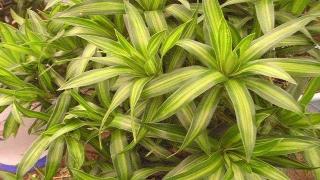
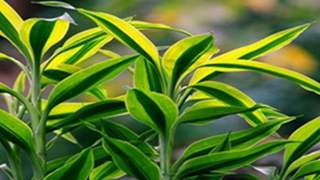
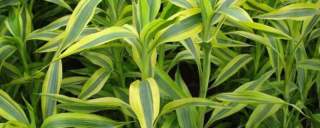
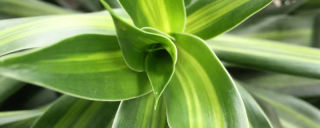
From the perspective of the bamboo plant itself, the question of misting is not a simple yes or no but a consideration of its native environment and physiological needs. Bamboo, particularly the common "lucky bamboo" (Dracaena sanderiana) and true bamboos (Bambusoideae), have specific responses to leaf moisture that must be understood.
For a bamboo plant, the primary potential benefit of misting is an increase in local humidity. The leaves, or blades, are the site of transpiration, where water vapor escapes through tiny pores called stomata. In a very dry environment, such as a heated or air-conditioned home, the rate of transpiration can increase dramatically. This can lead to water stress, where the plant loses water faster than its roots can absorb it. The first signs of this stress are often crispy, brown leaf tips and edges. Misting the leaves temporarily raises the humidity directly around the foliage, slowing the rate of water loss through the stomata. This gives the roots a better chance to keep up with demand, helping to maintain turgor pressure—the rigidity of the plant's cells—and overall hydration. For a plant that originates from tropical or subtropical understories where humidity is consistently high, this occasional mimicry of its natural habitat can be a welcome relief.
While the intention is to hydrate, misting can inadvertently create ideal conditions for harmful microorganisms. The most significant risk from the plant's viewpoint is the promotion of fungal and bacterial growth. When water droplets sit on the leaves for extended periods, especially in the crevices where the leaf blade meets the stem or in crowded foliage with poor air circulation, they create a moist surface that fungi like powdery mildew and sooty mold, or bacteria that cause leaf spot diseases, find irresistible. These pathogens can invade the leaf tissue, causing discolored spots, lesions, and decay. Unlike roots, which are adapted to absorb moisture, leaves are primarily designed for gas exchange and photosynthesis. A consistently wet leaf surface is an unnatural and stressful state that can compromise its health and function, effectively blocking sunlight and clogging stomata.
It is crucial to understand that a bamboo plant cannot absorb meaningful amounts of water through its leaves. Its hydration comes exclusively through its root system. Therefore, misting provides only a superficial boost and addresses a symptom (low humidity) rather than the root cause of watering practices or environmental dryness. Over-reliance on misting can lead to neglect of proper root-zone watering. Furthermore, if tap water is used for misting, the minerals within it can be left behind on the leaf surface as the water evaporates. These mineral deposits can accumulate, potentially clogging the stomata and inhibiting the plant's ability to "breathe." In direct sunlight, water droplets can act like tiny magnifying glasses, concentrating the sun's rays and causing scorch marks or sunburn on the delicate leaf tissue.
From the plant's perspective, energy is better directed toward maintaining a healthy root system and a stable ambient environment than recovering from the stress of incorrect misting. The most effective way to keep a bamboo hydrated is to ensure it is planted in well-draining soil (or clean water for lucky bamboo) and watered thoroughly but infrequently, allowing the top layer of soil to dry out slightly between waterings. To combat dry air, the plant would far prefer a more consistent solution than sporadic misting. Placing the pot on a pebble tray filled with water (ensuring the pot sits above the waterline) allows for gradual evaporation around the plant, raising humidity in a gentle, sustained manner without wetting the leaves. Grouping plants together also creates a beneficial microclimate through collective transpiration. These methods provide the humidity benefit without the associated risks of leaf wetness.