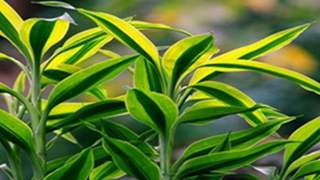
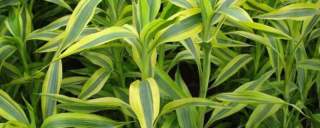
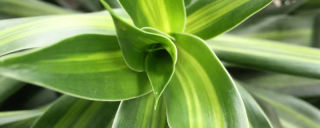
Hello there, human caretaker. It's me, your indoor bamboo plant. You've noticed my leaf tips turning a little brown and crispy, haven't you? It's not your fault; the air in our modern homes can be quite dry for a plant like me, who hails from humid environments. I don't need constant misting, which can sometimes cause more problems, but I would truly thrive with a more consistent level of moisture in my immediate atmosphere. This is where a humidity tray, or what I like to call a "personalized microclimate spa," comes in. It's a simple and effective way to make me feel right at home.
As a plant, I don't sweat like you do. Instead, I "breathe" through tiny pores on my leaves called stomata. During this process, known as transpiration, I release water vapor into the air. When the surrounding air is very dry, this water loss happens too quickly. My roots can't absorb water fast enough to replace what's lost through my leaves, leading to dehydration. The tips of my leaves, being the furthest points from my roots, are the first to show signs of stress with those tell-tale brown edges. A humidity tray works by creating a localized zone of higher humidity right around my foliage. As water evaporates from the tray's surface, it envelops me in a gentle, moist blanket of air, slowing down my transpiration rate and allowing me to hydrate at a comfortable, natural pace.
Creating my spa is very easy and requires just a few items. You won't need anything fancy. First, you need a tray or saucer. It should be wider than the diameter of my pot by at least an inch or two on all sides. The tray should also be waterproof. You can use a plastic drip tray, a ceramic plate, or even a decorative metal tray as long as it can hold water. Next, you need the pebbles, gravel, or pebble-like stones. These should be large enough that they don't form a compact layer, allowing for good air circulation. Finally, you just need clean water. That's it! No soil, no fertilizers, just these simple components.
Let's build my perfect environment together. Follow these steps carefully.
Step One: The Foundation. Begin by thoroughly washing the pebbles. This removes any dust or debris that could promote mold growth. A quick rinse under running water in a colander will do perfectly.
Step Two: The Basin. Place the clean pebbles into your chosen tray. Spread them out to create an even layer. The depth of the pebble layer should be enough to keep the bottom of my pot safely above the water line, typically about half an inch to an inch deep.
Step Three: The Vital Water. Pour water into the tray until it reaches just below the top of the pebble layer. This is the most critical part. The base of my pot must NEVER sit directly in the water. If my roots are constantly waterlogged, they will rot, and that is a far more serious problem than dry air. The pebbles act as a pedestal, elevating me above the water while allowing for evaporation.
Step Four: My Placement. Gently place my pot on top of the pebbles, ensuring it is stable and sitting firmly on the dry stones. You should hear a satisfying rustle of pebbles, not a splash.
My humidity tray is a living system that needs a little attention from you. First, you must regularly check the water level. As the water evaporates, you will need to top it up to maintain the correct level below the pebbles. Secondly, every few weeks, it's a good idea to empty the entire tray, rinse the pebbles, and refill it with fresh water. This prevents the stagnation of water, which can attract pests like fungus gnats and prevent the growth of bacteria or algae. Keeping my spa clean ensures it remains a healthy benefit for me.