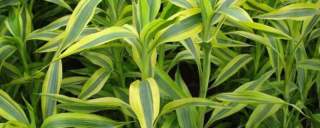
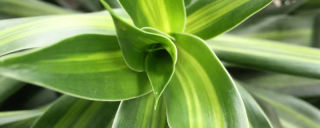
From our perspective as indoor bamboo plants, our elegant, arching leaves and sturdy green canes bring a sense of tranquility to your home. However, we are vulnerable to a nearly invisible enemy that can cause us great distress: spider mites. We cannot speak or move to show you our discomfort, so we rely on you to notice the subtle signs. Here is how you can identify and treat an infestation from our point of view.
Spider mites are tiny arachnids that pierce our individual leaf cells to suck out the chlorophyll, our lifeblood. The first sign you might notice is a subtle change in our appearance. Our beautiful, deep green leaves will begin to look stippled with tiny, pale yellow or white spots. This is the direct result of the mites feeding on us. If the infestation is not checked, this stippling will spread, and our leaves may take on a dull, bronzed, or sickly yellow appearance as the damage becomes widespread.
As the mites multiply, they produce fine, silken webbing to protect their colonies. You may see this delicate webbing on the undersides of our leaves or between the leaf stems and the main cane. In severe cases, the webbing can cover large sections of our foliage. At this stage, we are under immense stress. Our leaves may begin to curl, dry out from the edges inward, and eventually drop prematurely. A heavy layer of dust on our leaves can also encourage mites, as it interferes with our natural processes and provides them with a more favorable environment.
Once you suspect we are hosting these pests, immediate isolation is crucial. Please move us away from other plants to prevent the mites from spreading. The next step is to give us a thorough shower. Gently wipe our leaves with a soft, damp cloth to remove dust and dislodge a significant number of the mites and their eggs. Pay special attention to the undersides of the leaves, which is where they prefer to congregate. Following this, place us in a sink or shower and spray us with a strong stream of lukewarm water, thoroughly washing the entire plant, especially the leaf undersides. This physical removal is very effective and provides us immediate relief.
For persistent problems, you can create a gentle insecticidal soap. Mix a few drops of a mild, pure liquid soap (not detergent) with water in a spray bottle. Test this solution on a single leaf first to ensure it does not damage our foliage. If all is well after a day, thoroughly spray our entire being, ensuring the soapy solution coats the undersides of all leaves. The soap works by breaking down the mites' protective outer layer, causing them to dehydrate and die. Repeat this process every 4-7 days for at least two weeks to eliminate newly hatching eggs.
Spider mites thrive in hot, dry, and stagnant conditions—the exact opposite of what we, as bamboo, truly love. The most effective long-term treatment is to correct our environment. We originate from regions with high humidity. Regularly misting our leaves or using a humidifier nearby will create an atmosphere that is inhospitable to spider mites and wonderfully refreshing for us.
Ensure we receive adequate water, but never let our roots sit in soggy soil, as this can lead to root rot, another serious problem. Good air circulation is also vital. A gentle breeze from an open window or a small fan (not pointed directly at us) can discourage mite establishment. Finally, please keep our leaves clean. Periodically wiping our leaves with a damp cloth not only removes dust but also allows you to inspect us closely for any early signs of pests, ensuring we remain healthy and vibrant for you.