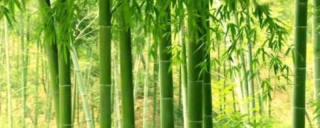
Before selecting a species, it is crucial to understand the fundamental difference in how bamboo grows. Bamboos are broadly categorized into two types: clumping (sympodial) and running (monopodial). For American gardeners, this is the most critical distinction. Running bamboos spread aggressively via long, horizontal rhizomes that can travel many feet from the parent plant, often causing them to become invasive if not contained with specialized root barriers. Clumping bamboos, however, grow from rhizomes that turn upward to form new culms (stalks) close to the base of the plant, creating a gradually expanding, non-invasive clump. For most residential gardens, clumping species are the recommended and ecologically responsible choice.
Clumping bamboos, primarily from the genera Bambusa and Fargesia, offer a wide range of sizes and aesthetics without the risk of uncontrolled spreading.
Ideal for cooler climates (USDA Zones 5-9), Fargesia species are among the hardiest and most well-behaved clumping bamboos. They thrive in partial shade and are excellent for creating elegant screens or woodland gardens. Their leaves are typically small and delicate, giving them a soft, graceful appearance. A standout species is Fargesia murielae (Umbrella Bamboo), known for its arching habit and bright green culms that mature to a yellow-green. Another excellent choice is Fargesia nitida (Fountain Bamboo), which features very dark, sometimes almost black, culms and a more upright, weeping form. These bamboos rarely exceed 15 feet in height, making them manageable for smaller spaces.
Best suited for warmer, humid climates (USDA Zones 8-10), Bambusa species are larger, timber-type bamboos that create dramatic focal points. They generally prefer full sun. Bambusa oldhamii (Giant Timber Bamboo) is a popular choice, capable of growing over 50 feet tall with thick, straight culms. It is fast-growing and perfect for a quick, dense screen in Southern gardens. For a more unique aesthetic, Bambusa vulgaris ‘Vittata’ (Painted Bamboo) is notable for its bright yellow culms with random green stripes. While these species are clumping, their root masses can become very large and heavy over time, so they require ample space.
Choosing the right bamboo involves more than just species selection; it requires matching the plant to your specific garden conditions.
Bamboo species have specific temperature tolerances. Always check the USDA Hardiness Zone for a species before purchasing. A Fargesia that thrives in a Pacific Northwest garden will not survive a winter in Minnesota, just as a tropical Bambusa will be damaged by frost in the Mid-Atlantic states. Some running bamboos in the genus Phyllostachys, like P. aureosulcata (Yellow Groove Bamboo), are very cold-hardy (to Zone 4) but must be planted with extreme caution and professional-grade containment.
Most bamboos prefer well-drained, slightly acidic soil rich in organic matter. While they are not overly fussy, they perform best with consistent moisture, especially during their establishment period. Light requirements vary: Fargesia and other understory genera appreciate protection from hot afternoon sun, while most Bambusa and Phyllostachys species grow most vigorously in full sun.
Consider the plant's ultimate purpose. For a low hedge, a dwarf variety like Pleioblastus viridistriatus might be suitable. For a towering privacy screen, a large timber bamboo is appropriate. Always account for the mature height and spread of the clump to ensure it fits the space without overwhelming other garden elements. Proper selection and placement are key to successfully integrating the unique architectural beauty of bamboo into the American garden.