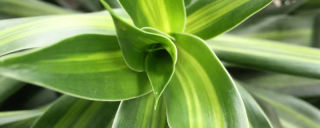
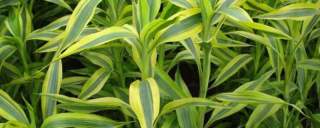
From a plant physiology perspective, the primary issue with using standard tap water for Lucky Bamboo (Dracaena sanderiana) is the presence of chemical additives, most notably chlorine and chloramines. Municipal water suppliers add these chemicals as disinfectants to ensure the water is safe for human consumption by eliminating harmful bacteria and pathogens. However, what is safe for humans is not always ideal for sensitive plants. Lucky Bamboo is particularly vulnerable to these chemicals. Chlorine can be absorbed by the roots and transported throughout the plant, where it can cause toxicity at the cellular level. It can disrupt essential processes like photosynthesis and damage root cell membranes, impairing their ability to take up water and nutrients effectively.
Another significant concern, specific to the Dracaena genus, is fluoride. Many water systems have naturally occurring fluoride or add it for dental health. Lucky Bamboo is highly sensitive to fluoride, and accumulation in the plant tissue leads to a condition known as tip burn or leaf scorch. The symptoms are unmistakable: the tips and margins of the leaves turn yellow or brown, and the damage can progressively spread inward. This occurs because fluoride interferes with enzymatic activity within the plant cells and can contribute to calcium imbalances. Unlike some plants that can tolerate low levels, Lucky Bamboo often exhibits distress even at concentrations considered safe for drinking, making fluoride a leading cause of the decline in health when tap water is used consistently.
Tap water's mineral content, often referred to as its "hardness," is another critical factor. Hard water contains high levels of dissolved minerals, primarily calcium and magnesium carbonates. When this water is used for irrigation and evaporates from the soil (or the pebbles in a Lucky Bamboo arrangement) and from the surface of the plant itself, these minerals are left behind. This can manifest as a white, crusty buildup on the container and even on the plant's stem. More importantly, high mineral concentrations in the growing medium can create a high osmotic pressure around the roots. This makes it more difficult for the plant to absorb water, effectively inducing a state of physiological drought. The roots may also become damaged or "burned" by the excessive salts, further compromising the plant's vitality.
Fortunately, making tap water safe for Lucky Bamboo is straightforward and aligns with providing an optimal root zone environment. The most effective method is to use an alternative water source. Distilled water, purified water, or rainwater are ideal choices as they are free from chlorine, chloramines, fluoride, and high mineral loads. If tap water is the only option, it can be treated to mitigate the risks. Allowing tap water to sit in an open container for 24 hours will enable chlorine to evaporate. However, this method does not remove chloramines, which are more stable, or fluoride. For a more comprehensive solution, using a simple filtration pitcher equipped with an activated carbon filter can significantly reduce or remove chlorine, chloramines, and fluoride. This simple step of water preparation can prevent the long-term cumulative damage that leads to yellowing leaves and stunted growth.