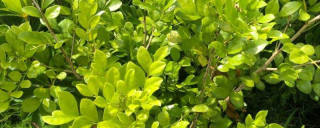
As a Greek Oregano plant, my very essence is resilience and flavor, forged under the harsh Mediterranean sun. However, even I, with my woody stems and pungent, aromatic oils, can fall victim to opportunistic pests and diseases when conditions are not ideal. True care means working with my natural defenses, not against them. Here is my perspective on how to keep me thriving organically.
My best protection begins before any pest appears. I crave full, direct sunlight for at least six hours a day. This strengthens my essential oils, which act as a natural insect repellent. Plant me in well-draining, slightly rocky soil; my roots despise being waterlogged. Crowding me with other plants creates a humid, stagnant environment that invites fungal diseases and pests. Please give me space for air to circulate freely around my leaves. A stressed oregano is a vulnerable oregano. By meeting my basic needs for sun, lean soil, and good air flow, you empower me to resist most problems on my own.
The most common annoyances I face are tiny sap-suckers like aphids and spider mites. They cluster on my tender new growth, piercing my leaves and draining my vitality. A strong, sharp spray of water from a hose is often all that is needed to dislodge them. For more persistent infestations, a soap spray is effective. Mix a few teaspoons of pure castile soap in a liter of water and spray it directly onto the pests. The soap breaks down their outer coating, causing them to dehydrate. Please test this on a few leaves first and apply it in the cooler evening hours to prevent sun-scorch. Encouraging beneficial insects, like ladybugs and lacewings, is the best long-term solution. They see these pests as a delicious meal.
My greatest enemy is not an insect, but fungus, almost always caused by excessive moisture. Root rot occurs when my soil does not drain properly. My roots turn brown and mushy, and my entire being wilts and collapses. Prevention is the only cure: ensure my bed has excellent drainage. Powdery mildew appears as a white, dusty film on my leaves, often when humidity is high and air circulation is poor. To manage this, you can create a natural fungicide by mixing one part milk with two parts water and spraying my leaves. Another effective remedy is a baking soda spray (one tablespoon per liter of water with a drop of soap to help it stick). These solutions make the leaf surface less hospitable to the fungal spores. Most importantly, water me at the base, not over my leaves.
Simple gardening habits make a profound difference. Regular pruning or harvesting of my stems encourages bushier, healthier growth and prevents me from becoming leggy and weak. Always remove any fallen, yellowed, or diseased leaves from my base promptly. This debris is a breeding ground for pests and disease. In the garden, practice crop rotation; avoid planting me or my mint-family relatives in the exact same spot year after year to prevent a buildup of soil-borne pathogens. A light layer of gravel or small stones as mulch around my base helps keep my leaves dry and suppresses weeds without retaining too much moisture, unlike organic mulches like bark.