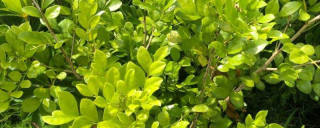
From our perspective as Greek Oregano plants (Origanum vulgare subsp. hirtum), our well-being is communicated through every leaf, stem, and root. We don't speak your language, but our physical state is a direct reflection of whether our core needs are being met. Here is how you can interpret our signs.
When conditions are ideal, we express our contentment clearly. A thriving Greek Oregano is a robust and aromatic plant, eager to spread and share its essence.
1.1 Vigorous, Bushy Growth with Strong, Woody Stems: If we are putting out new stems and leaves consistently, creating a dense, bushy appearance, it means our root system is healthy and has ample space and nutrients. Our stems should feel firm and may start to become slightly woody at the base as we mature. This structure supports our weight and allows us to access more sunlight.
1.2 Aromatic, Vibrant Green Leaves: Our leaves are our pride. When we are happy, they are a healthy, gray-green color, firm to the touch, and packed with aromatic oils. Gently brushing against us should release a strong, pungent scent. This is a sure sign that we are receiving the right amount of intense sunlight, which is crucial for oil production. The leaves should be clean, without spots or discoloration.
1.3 Abundant Flowering (When in Season): In mid to late summer, if we are thriving, we will produce numerous small, white flowers on spikes. Flowering is a sign of maturity and good health. It indicates that we have stored enough energy to reproduce. While you might pinch these off to encourage more leaf growth, their presence is a positive indicator of our vitality.
When our environment is stressful, we show clear symptoms of distress. These issues almost always stem from problems at the root level, affecting our entire being.
2.1 Leggy, Sparse Growth and Pale Leaves: If our stems are growing long and spindly with large gaps between leaf sets, and our leaves are a pale yellow-green, we are desperately reaching for more light. This condition, called etiolation, weakens our structure and reduces our essential oil content, making us vulnerable and less flavorful. We need full, direct sun to be compact and strong.
2.2 Wilting, Yellowing, or Browning Leaves: This is a complex sign. Yellowing, drooping leaves often mean our roots are suffocating in waterlogged soil. We are Mediterranean plants and our roots need to breathe; constant wetness causes root rot, which prevents water and nutrient uptake, ironically causing us to wilt from drought-like stress. Conversely, crispy, brown leaves, especially starting at the tips, usually mean we are severely thirsty and our soil has been bone dry for too long.
2.3 The Presence of Pests or Powdery Mildew: A stressed plant is a target. If you see clusters of small insects like aphids on our tender new growth, it means our defenses are low. Similarly, a white, powdery coating on our leaves (powdery mildew) indicates poor air circulation and possibly that our foliage is staying damp for too long, especially overnight. Healthy, well-spaced plants in sunny, airy locations rarely succumb to these issues.