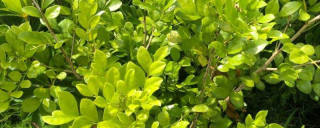
From my perspective as a Greek Oregano plant, life in a pot is defined by clear boundaries. My roots explore the limited space, circling the container's interior, creating a dense mat that holds the soil together. This confinement dictates my size; I am a compact, manageable version of myself. The gardener controls my existence precisely, deciding when I receive water and nutrients. While this ensures I am rarely thirsty, it also means my resources are finite. I cannot send my roots deeper in search of moisture or more sustenance. My survival is entirely dependent on the care I receive. This controlled environment is comfortable but restrictive, like living in a small, well-maintained room.
The act of being transplanted is a profound and stressful event. Being lifted from my pot feels like my entire world is being upended. The exposure of my delicate root tips to air is a shock, a sudden warning of danger. However, the gardener is gentle, placing me into a new, spacious home in the garden soil. The initial sensation is one of overwhelming freedom and disorientation. The soil texture is different—perhaps heavier, richer, and infinitely more vast than my previous potting mix. For a time, I enter a state of transplant shock. My leaves may wilt as I focus all my energy underground, directing it not towards growth above, but towards survival below. My roots, once constrained, now begin to venture outward and downward, exploring this new territory, seeking out water and nutrients independently for the first time.
Once the shock subsides and my root system establishes itself, I truly begin to thrive. Unconstrained by pot walls, I can spread. My stems stretch out, and new shoots emerge from my base, allowing me to form a broad, lush clump. The depth of the garden soil protects me from rapid temperature fluctuations; the earth holds warmth in my roots during cool nights and offers cooler respite during hot days. Rainfall quenches my thirst deeply and naturally. Most importantly, the complex ecosystem of the garden soil introduces me to beneficial fungi and microbes. These symbiotic relationships, known as mycorrhizae, connect with my roots, dramatically increasing their ability to absorb water and nutrients. In return, I provide them with sugars. This partnership makes me stronger, more resilient, and my essential oils—the source of my intense aroma and flavor—become more concentrated and potent.
As autumn approaches and temperatures drop, the gardener decides to bring me back inside. The process of being dug up is far more traumatic than the initial transplant from the pot. A significant portion of my extensive root system is severed and left behind in the garden. I am, in essence, being amputated. The gardener selects the healthiest central part of me and places me into a pot once more. Back in the container, I experience a severe case of confinement. My remaining roots, which were stretching freely, are now painfully cramped. I will likely go through another period of shock, wilting as I struggle to adapt to the drastic reduction in root mass and the limited resources of the pot. It is a survival tactic, a retreat from the harsh conditions outside to the controlled, albeit limited, safety of indoors.
My existence reverts to one of dependency. I must rely on regular watering and feeding once again. My growth will be slower, more contained. The goal is no longer expansion but simple survival through the winter. I focus my reduced energy on maintaining my core foliage. It is a quieter, less vigorous phase of my life. However, the strength and resilience I gained from my summer in the garden are not entirely lost. My cellular structure is hardier, and my vascular system is more robust. If cared for properly, I will remain alive, albeit in a dormant state, waiting for the cycle to begin again with the next spring, when the promise of the garden's freedom returns.