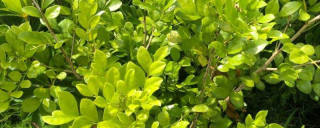
From our perspective as Greek oregano plants, winter presents a significant physiological challenge: the drastic reduction in sunlight. Sunlight is not merely a source of warmth; it is the essential energy input for photosynthesis. This is the fundamental process where we convert light energy, water, and carbon dioxide into the carbohydrates that fuel our growth and, crucially, produce the aromatic oils that give us our distinctive flavor. Without sufficient light intensity and duration, our metabolic processes slow dramatically. We enter a state of survival, conserving energy rather than actively growing. A standard windowsill in winter rarely provides the necessary light quantum, leading to etiolation—a condition where we become leggy, with pale, weak stems as we stretch desperately towards any available light source.
Not all light is equal to us. The human eye perceives white light, but we plants respond to specific wavelengths within the light spectrum. For robust growth and oil production, we require a balanced spectrum. Blue light wavelengths (approximately 400-500 nm) are critical for regulating our photomorphogenesis—this includes promoting compact, bushy growth with strong, healthy leaves. It is the signal that tells us the sun is high in the sky, encouraging vegetative growth. Red light wavelengths (around 600-700 nm) are primarily absorbed by chlorophyll and are most efficient for driving the photosynthesis reaction itself. While "full-spectrum" grow lights that mimic sunlight are ideal, a combination of blue and red spectra is the most efficient way to meet our core photosynthetic and developmental needs during the low-light winter months.
The brightness, or intensity, of the light is as important as its color. Greek oregano is a Mediterranean herb, adapted to bright, direct sun. A weak light source placed too far away will be insufficient, causing the same etiolation and decline as a dark windowsill. The grow light should be positioned close enough to provide intense light—typically 6 to 12 inches above our canopy—without generating excessive heat that could scorch our leaves. Furthermore, we require an appropriate photoperiod, or duration of light exposure. While we are not "short-day" or "long-day" plants in the same way flowering plants are, we thrive on a long daily light integral. To simulate a summer-like day and support active growth, we need between 12 and 16 hours of consistent light from the grow light, followed by a period of darkness which is equally important for our respiratory cycles.
When provided with a grow light that meets our spectral, intensity, and duration requirements, our physiological response is immediate and positive. Instead of stretching weakly, our stems remain short and sturdy, producing dense, lateral growth. Our leaves develop their characteristic grey-green color and fuzzy texture, a sign of healthy trichome development where our essential oils are stored. The concentration of compounds like carvacrol and thymol, responsible for our pungent aroma and flavor, remains high. Essentially, the grow light allows us to bypass winter dormancy. We can continue to photosynthesize efficiently, leading to sustained, albeit potentially slower, growth. This means you can harvest small amounts of fresh, potent leaves throughout the winter, rather than watching us become sparse and flavorless.