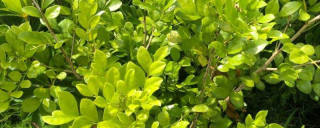
From a botanical perspective, Greek oregano (Origanum vulgare subsp. hirtum) is a perennial herb with a low, bushy, and spreading growth habit. It typically grows 6-12 inches tall but can spread over 18 inches wide. This characteristic is the primary factor in determining its compatibility with neighboring plants. When considering companion planting, it is crucial to select herbs with similar growth forms and space needs to avoid one plant being shaded out or having its root system overwhelmed. Low-growing, clumping herbs like thyme or winter savory are excellent companions as they occupy a similar vertical and horizontal space without competing aggressively for light. In contrast, planting Greek oregano directly next to a tall, single-stemmed herb like dill or fennel would be detrimental, as these plants would quickly create a canopy, depriving the sun-loving oregano of essential light.
The root architecture of Greek oregano is fibrous and relatively shallow, though it can develop a woody taproot as it matures. This root system is efficient at gathering moisture and nutrients from the top layers of soil. Successful cohabitation depends on pairing it with herbs that have non-competitive or complementary root systems. For instance, many Mediterranean herbs like rosemary and lavender develop deeper, more extensive root systems that draw water from a different soil stratum, minimizing direct competition. However, caution is advised with vigorous, spreading herbs like mint, which possess rhizomatous roots that aggressively colonize soil space. If planted in the same confined area without a root barrier, mint would likely outcompete the oregano for both root space and soil resources, ultimately stunting the oregano's growth.
Greek oregano is a quintessential Mediterranean plant, thriving in conditions that mirror its native habitat. Its key requirements are full sun (at least 6-8 hours of direct light daily), well-draining soil, and relatively low to moderate fertility. It is exceptionally drought-tolerant once established and prefers soil on the drier side. Therefore, the most successful companions are those that share these exacting preferences. Herbs like sage, lavender, rosemary, and thyme form an ideal "Mediterranean guild" as they all demand excellent drainage, plenty of sun, and are adapted to lean, slightly alkaline soils. Planting Greek oregano alongside moisture-loving herbs such as parsley, cilantro, or mint would create an unsustainable environment; the watering regimen needed to keep the latter herbs happy would likely lead to root rot and fungal diseases in the oregano.
Allelopathy refers to the chemical influence one plant has on the germination or growth of another. While not as potent as some plants like black walnut, oregano species are known to produce aromatic oils (e.g., carvacrol and thymol) that can have mild allelopathic effects. In some cases, these compounds can inhibit the seed germination of certain plants or deter pests. This can be a beneficial trait in a companion planting scheme, as it may help protect neighboring herbs from insect pests. Furthermore, planting a diversity of aromatic herbs like oregano, sage, and thyme together can create a synergistic effect that confuses common pests, reducing the likelihood of infestation. From a plant health perspective, grouping different species together can also help prevent the rapid spread of soil-borne diseases that might easily sweep through a monoculture.