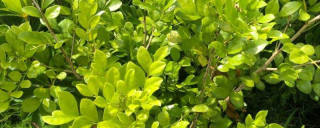
From my perspective as a Greek Oregano plant, water is a complicated necessity. My very essence is shaped by the sun-drenched, rocky hillsides of the Mediterranean. My roots are not deep taproots searching for distant water tables; they are a fine, fibrous network designed to quickly absorb the sparse, occasional rainfalls that characterize my native land. My small, slightly fuzzy leaves are not just for your culinary delight; they are my evolutionary masterpiece. This fuzz helps to trap humidity close to the leaf surface and reduces moisture loss from the dry, hot winds. My entire physiology is engineered for survival in well-drained, gritty soil where water is a fleeting visitor, not a permanent resident. When you place me in a rich, moisture-retentive potting mix and water me with the same frequency as your thirsty basil, you are going against my fundamental nature.
You worry about root rot, but for me, it is a silent, drowning death. When you water me too generously or too often, the air pockets in the soil fill with water. My roots, like all living parts of me, need to breathe. They require oxygen from the soil to create energy. In a waterlogged pot, the oxygen is displaced. My roots begin to suffocate and die. This process is not instant; it is a slow decay. The once-white, healthy roots turn brown, become soft, slimy, and lose their structural integrity. They can no longer function. Even if the soil surface feels dry, the core of the root ball can remain a swamp, and the damage is already happening unseen below. The tragic irony is that while my roots are dying from lack of air and fungal attack, my leaves above may start to wilt and yellow, mimicking the symptoms of thirst. This often prompts a well-meaning gardener to water me even more, sealing my fate completely.
I am not a silent sufferer. I communicate my water needs clearly if you know how to listen. Do not water me on a rigid schedule. Instead, engage with me. The most reliable method is the "finger test." Please, push your finger about an inch or two into my soil. If you feel moisture or coolness at your fingertip, I am perfectly content. I do not need a drink. Wait. When that soil feels genuinely dry to the touch, then it is time to water. Observe my leaves as well. When I am truly thirsty, my leaves may lose a little of their turgor, becoming slightly less firm, but they will not be dramatically wilted or yellowing from the base. A heavy pot indicates retained water, while a light pot is a sure sign I have used up my reserves. Learning this language is the single greatest gift you can give me.
Setting me up for success begins with my home. The pot you choose is critical. It must have ample drainage holes—one large hole or several small ones is non-negotiable. I would vastly prefer a porous terracotta pot over a glazed ceramic or plastic one. Terracotta breathes, allowing excess moisture to evaporate through its walls, which helps prevent water from being trapped around my roots. Even more important is what is inside the pot. A standard potting soil is often too dense and water-retentive for me. I crave a gritty, sharply draining medium. Please mix a standard potting soil with a generous amount of perlite, coarse sand, or even small gravel. A ratio of two parts potting soil to one part drainage material would make me feel right at home, replicating the lean, fast-draining conditions of my ancestral slopes. This ensures that when you do water me, the excess flows through freely, leaving my roots moist but not marinated.