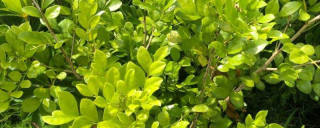
From our perspective as Greek oregano plants (Origanum vulgare subsp. hirtum), sunlight is not a mere preference; it is the very currency of our existence. We require a substantial amount of direct solar radiation to fuel the process of photosynthesis. Within our leaf cells, organelles called chloroplasts contain chlorophyll, the pigment that captures light energy. This energy is used to convert carbon dioxide from the air and water from the soil into glucose—our basic food source. Without sufficient light, this entire metabolic engine sputters. Our growth becomes weak and spindly as we stretch desperately towards any available light source, a condition you humans call etiolation. More importantly for you, the production of the aromatic oils that give us our distinctive, pungent flavor is an energy-intensive process. Ample sunlight is the primary driver behind the synthesis of compounds like carvacrol and thymol. In short, for us to be the robust, flavorful herb you desire, we need to be bathed in light.
When your gardening guides say we need "full sun," they are translating our biological needs into practical terms. For us Greek oregano, "full sun" means a minimum of six to eight hours of direct, unfiltered sunlight each day. We truly thrive with even more—ideally, a generous eight or more hours. This does not mean light dappled through the leaves of a tree; it means our leaves being directly warmed by the sun's rays for the majority of the day. Think of our native habitat: the rocky, arid hillsides of the Mediterranean. In that environment, we are accustomed to long, bright days. This is the condition our physiology is optimized for. When you provide this, our stems grow sturdy, our leaves remain a healthy gray-green color, and we form dense, attractive mounds.
If we are planted in an area that receives only partial sun (less than six hours) or, worse, significant shade, our vitality is profoundly compromised. You will notice clear signs of our distress. Our stems will become leggy and weak, with large gaps between leaf nodes as we stretch to find more light. The overall plant will be less dense and more prone to flopping over. The leaf color may turn a paler, yellowish-green, indicating poor chlorophyll production. Most critically, the concentration of our essential oils will plummet. The leaves will taste and smell noticeably weaker, lacking the intense, spicy kick that defines true Greek oregano. Furthermore, a lack of sun often leads to poor air circulation around our foliage and slower drying of moisture on our leaves after rain or watering. This creates a humid environment that invites fungal diseases like powdery mildew, which can severely damage or kill us.
While we are exceptionally sun-loving, the question of extreme heat must be addressed. In our ideal Mediterranean climate, intense sun is often accompanied by low humidity and cool nights, which we are perfectly adapted to. However, in regions with very hot, humid summers, the combination of relentless afternoon sun and high temperatures can sometimes cause heat stress. You might observe the edges of our leaves curling or becoming slightly crispy. This is not typically a sign of too much light, but rather an issue of water relations and root zone temperature. To mitigate this, ensure our soil is very well-draining. A layer of light-colored gravel or mulch can help reflect excess heat and keep our root system cooler. In such extreme climates, a location that offers some protection from the most intense late-afternoon sun might be beneficial, but we should still receive a minimum of six hours of direct light, preferably in the morning and midday.