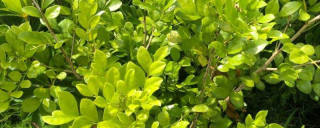
From a botanical perspective, Greek oregano, scientifically classified as *Origanum vulgare* subsp. *hirtum*, is unequivocally a herbaceous perennial plant. This classification is fundamental to understanding its life strategy. As a perennial, its life cycle is designed to persist for more than two years, contrasting with annual plants that complete their entire life cycle (from seed germination to seed production and death) within a single growing season, or biennials that require two years. The key to its perennial nature lies beneath the soil surface. While the above-ground stems and leaves are tender and may die back completely when exposed to freezing temperatures, the plant's root system and a central, woody base known as the crown remain alive and dormant during the winter. This underground storage structure is a reservoir of energy, allowing the plant to regenerate new stems and foliage with the return of favorable conditions in spring.
The annual life cycle of Greek oregano in a typical US growing season follows a distinct pattern dictated by environmental cues. In early to mid-spring, as soil temperatures warm and daylight increases, the plant breaks dormancy. New shoots emerge from the crown, rapidly developing into a low-growing mound of small, aromatic, gray-green leaves. Throughout the late spring and summer, the plant enters its primary vegetative growth phase, focusing energy on producing abundant foliage. This is the optimal time for harvesting leaves for culinary use. By mid to late summer, the plant receives signals to reproduce; it sends up flowering stalks adorned with clusters of small white flowers that are highly attractive to pollinators. After flowering and seed set, the plant's energy begins to redirect back to the roots in preparation for winter. With the first hard frosts of autumn, the above-ground growth will wither and die back.
The successful perennial life of Greek oregano in the United States is heavily dependent on its adaptation to local climate conditions, primarily defined by the USDA Plant Hardiness Zone map. Greek oregano is exceptionally cold-hardy and is reliably perennial in zones 5 through 9. In zones 5 and 6, which experience colder winters (minimum temperatures down to -20°F), a thick layer of mulch applied after the ground freezes in late autumn is crucial for protecting the crown from severe freeze-thaw cycles and desiccation. In the warmer winters of zones 7-9, the plant may remain semi-evergreen, with some foliage persisting throughout the year. However, the plant's Mediterranean origin means it is equally sensitive to excessive moisture and poor drainage, especially in winter. Wet, soggy soil around the crown is a far greater threat than cold temperatures, as it can lead to root rot, which will terminate the plant's perennial cycle prematurely.
Over multiple years, a well-sited Greek oregano plant will mature and expand. Its perennial life strategy involves not just annual regrowth but also gradual colonization of its immediate area. The plant spreads slowly via its underground rhizomes, forming a larger clump each year. After three to four years, the center of the clump may become woody and less productive. This is a natural point in the plant's long-term life cycle where division is beneficial. From the plant's perspective, division is a form of vegetative propagation. By physically splitting the crown and root mass in early spring, a gardener is essentially creating genetically identical new individuals, rejuvenating the original plant and expanding its presence in the garden. This process mimics the natural way the plant would slowly spread to ensure its survival and genetic continuation over many seasons.